Skip to content
G&G Controls, The Panel People
Level sensing

Basix View: a simpler approach to level sensing

By Tristan Newton, Commercial Director · 17 April 2025 · 2 min read
Basix View: a simpler approach to level sensing

Basix View is a simple way to get alternative level sensing, for example for use with a Vega radar level sensing head.

But first, let's briefly go through the current options for level sensing.

  • Float switches: The most common choice. They’re low cost, generally reliable, and easy to install and set up.
  • Level sensing heads: These provide accurate distance readings from the sensor to the water surface. Often used in fatty wastewater tanks where float switches can foul. Typically use ultrasonic or radar technology.
  • Hydrostatic sensing: The least common option. It works by measuring pressure to determine how much water is above the sensor.

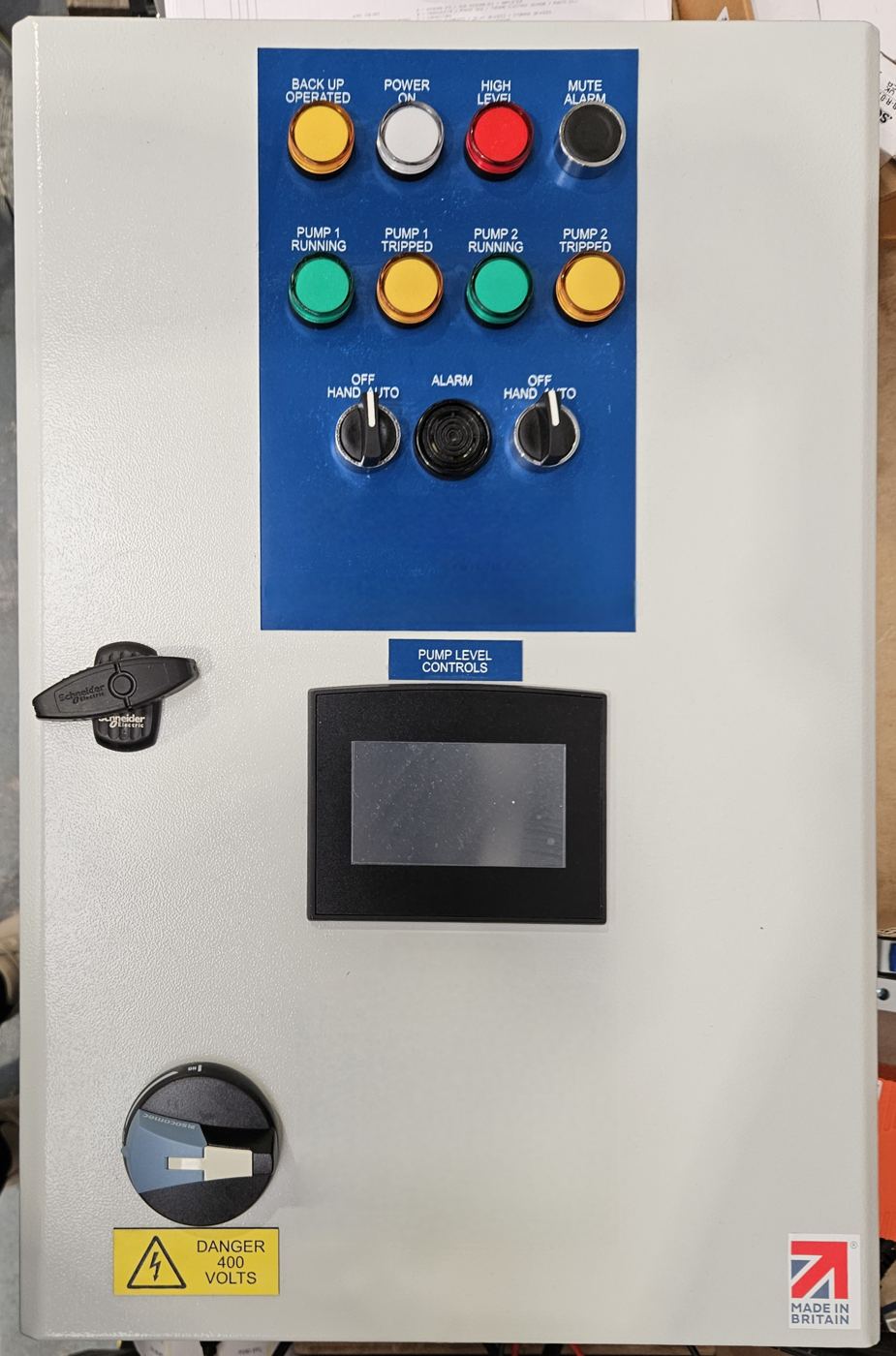
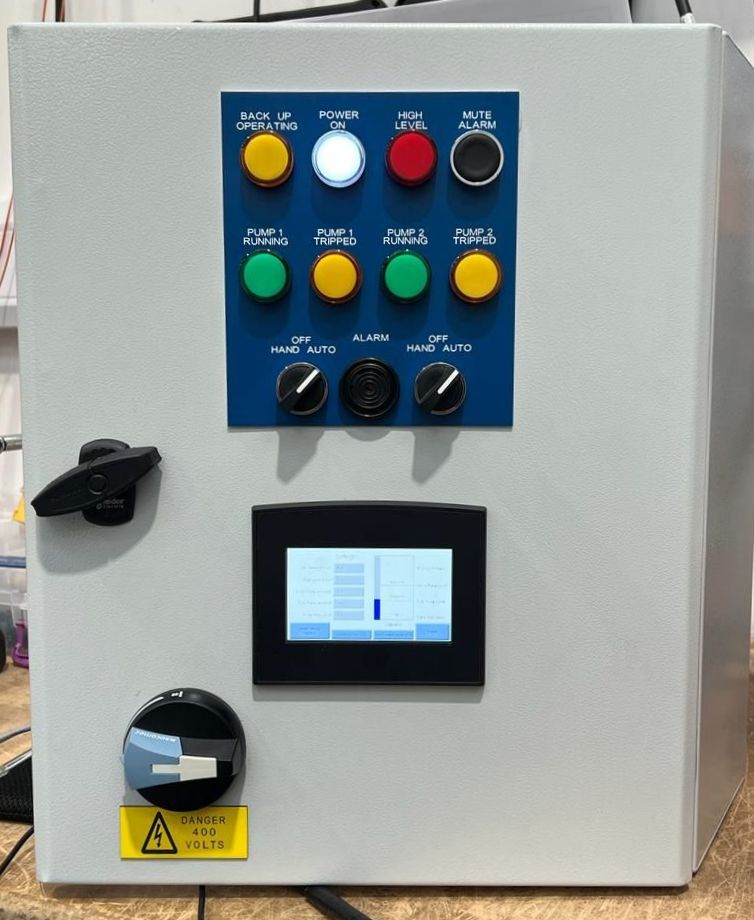
Dual pump panel door with pump running and tripped lamps, hand-off-auto switches, a level control touchscreen and isolator

Now we won't really discuss float switches as nearly everyone knows how they work (or just google it, there are a few good articles and videos).

Ultrasonic level sensing heads present several challenges. They’re often expensive—typically around £2,000 for the controller and sensing head—largely due to a proprietary connection between the two. This means both components must come from the same manufacturer, ruling out any flexibility to mix and match brands.

But cost isn’t the only concern. Setup can be complicated, with numerous parameters and nested menus that can leave site engineers frustrated. Performance is also limited in confined spaces, as ultrasonic heads generally require a tank diameter of at least 1.1 metres to deliver reliable readings.

That said, these devices do offer benefits. They’re accurate, more reliable than float switches, and often allow level readings without the need to open a manhole. However, all of these advantages are also available through alternative technologies—such as radar—that are not only more cost-effective but also easier to integrate, often providing a standard 4–20mA output.

That’s why we recommend the Basix View. It delivers the same core advantages—accurate radar-based sensing, simple level checking, and robust reliability—without the usual drawbacks. Designed to be user-friendly from the outset, it’s a solution that just works, even for first-time users.

For instructions of how to set it up, watch this video:

Written by the engineers at G&G Controls, a UK control panel manufacturer in Stoke-on-Trent. For general guidance only; consult a qualified professional for advice on your own installation.
Up next

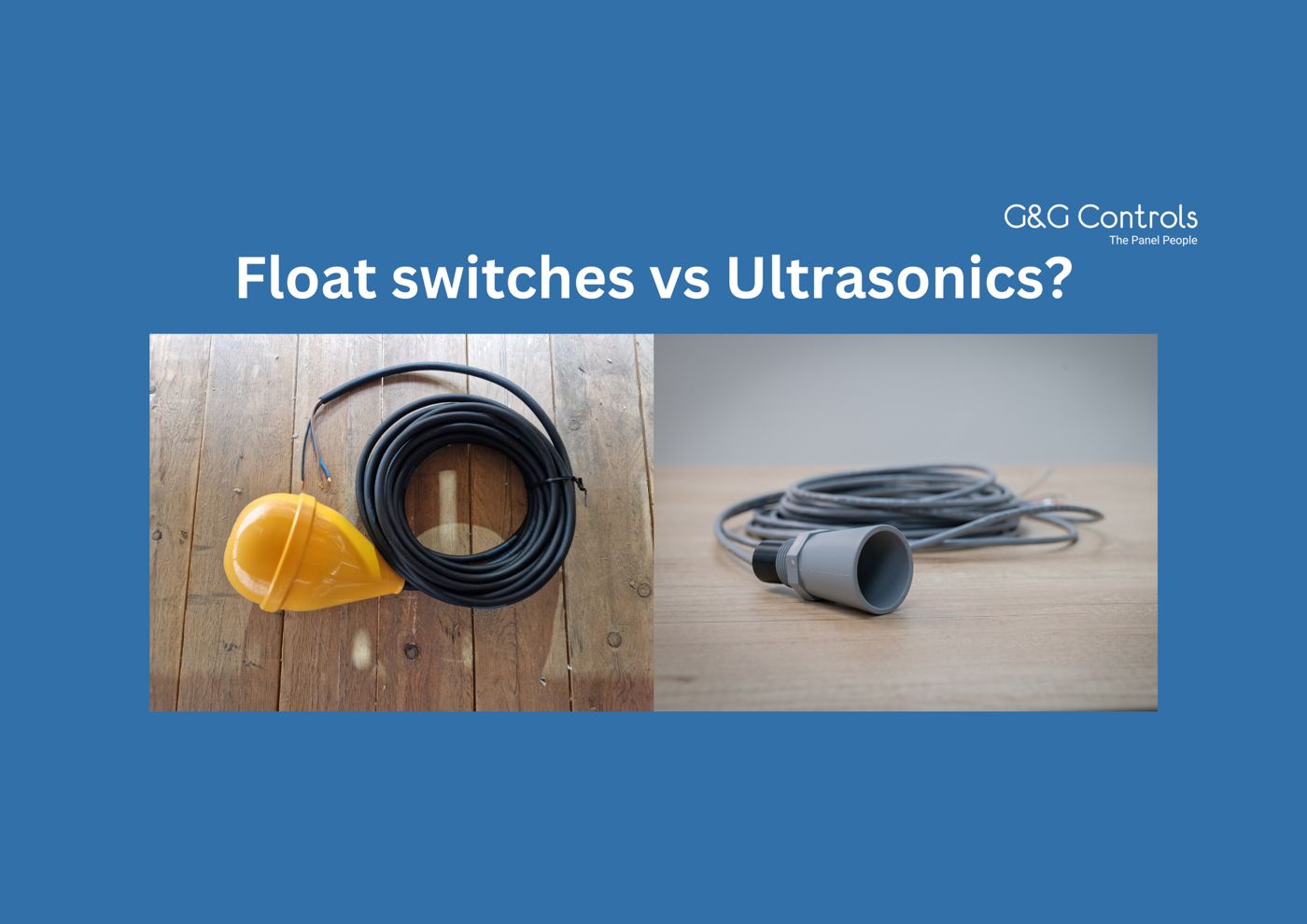
Float switches vs ultrasonics: choosing the right level control

When it comes to managing waste water pump control panels, selecting the right level control method is crucial for reliable operation and efficiency. The two popular options are float switches and ultrasonic sensors, each with its own set of advantages and applications. Here's a closer look at how t
Related panel

If this article is about a problem you have on site, this is the panel we would suggest.

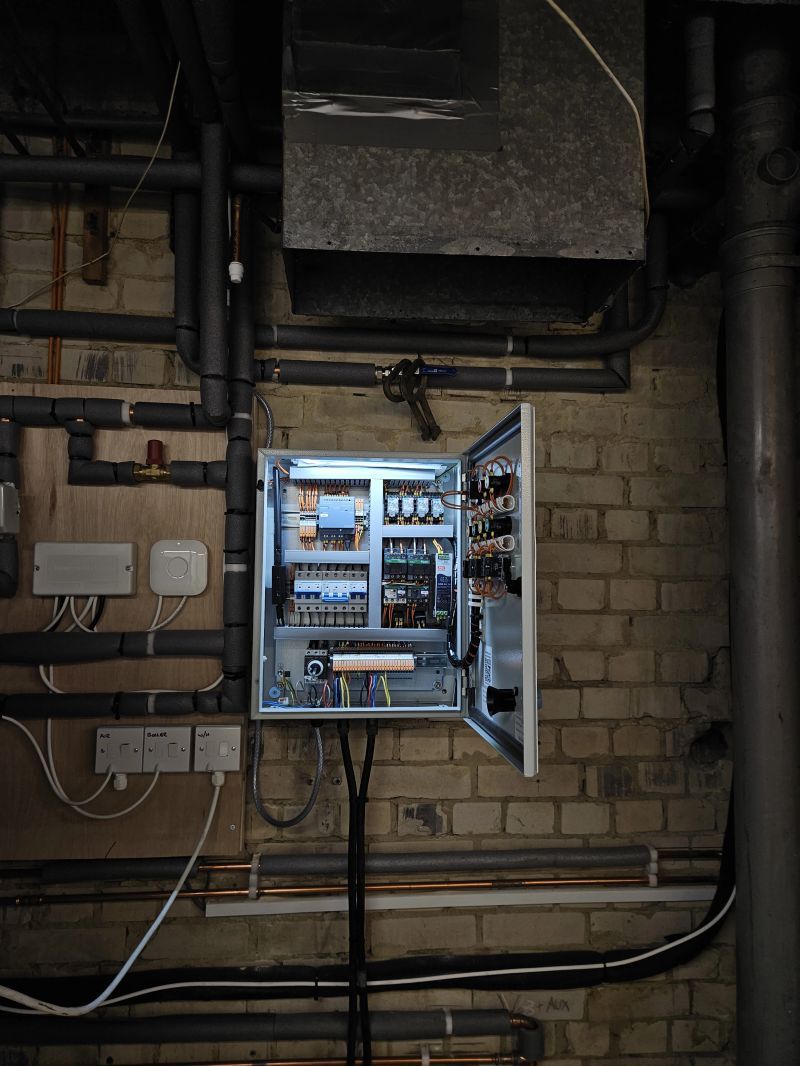
Basix View pump control panel with touchscreen HMI on the door

Wastewater control panel with HMI

Basix View

Basix with a built-in touchscreen and a 4-20mA input, so it runs from a radar or hydrostatic sensor and shows the level on the door.

Basix panel price plus the HMI for 4-20mA input (£1,752 + VAT) and your chosen sensor.

Ask an engineer

A question about this article or a panel for your site. We reply during working hours.

Or call 01782 280577

What happens next. A price and lead time, usually the same working day. Stock panels ship next day. We reply during working hours, Monday to Friday, 7am to 4.30pm.

Your details go to our sales team by email and are used only to answer this enquiry. No mailing list, nothing shared. Privacy policy.

More on level sensing

Where to hang the floats: stop, start, assist and high level

Where to hang the floats: stop, start, assist and high level

How to set four float switches in a wet well so the pumps cycle properly, the standby pump helps when it should, and the alarm means something.

15 May 2026 · 4 min read

Choosing level sensing: radar vs hydrostatic vs float switches

Choosing level sensing: radar vs hydrostatic vs float switches

Let’s explore how they work, what's good about each and what can go wrong in real-world use. These are all widely available products, that are use standard signals such as 4-20mA, rather than…

3 October 2025 · 3 min read

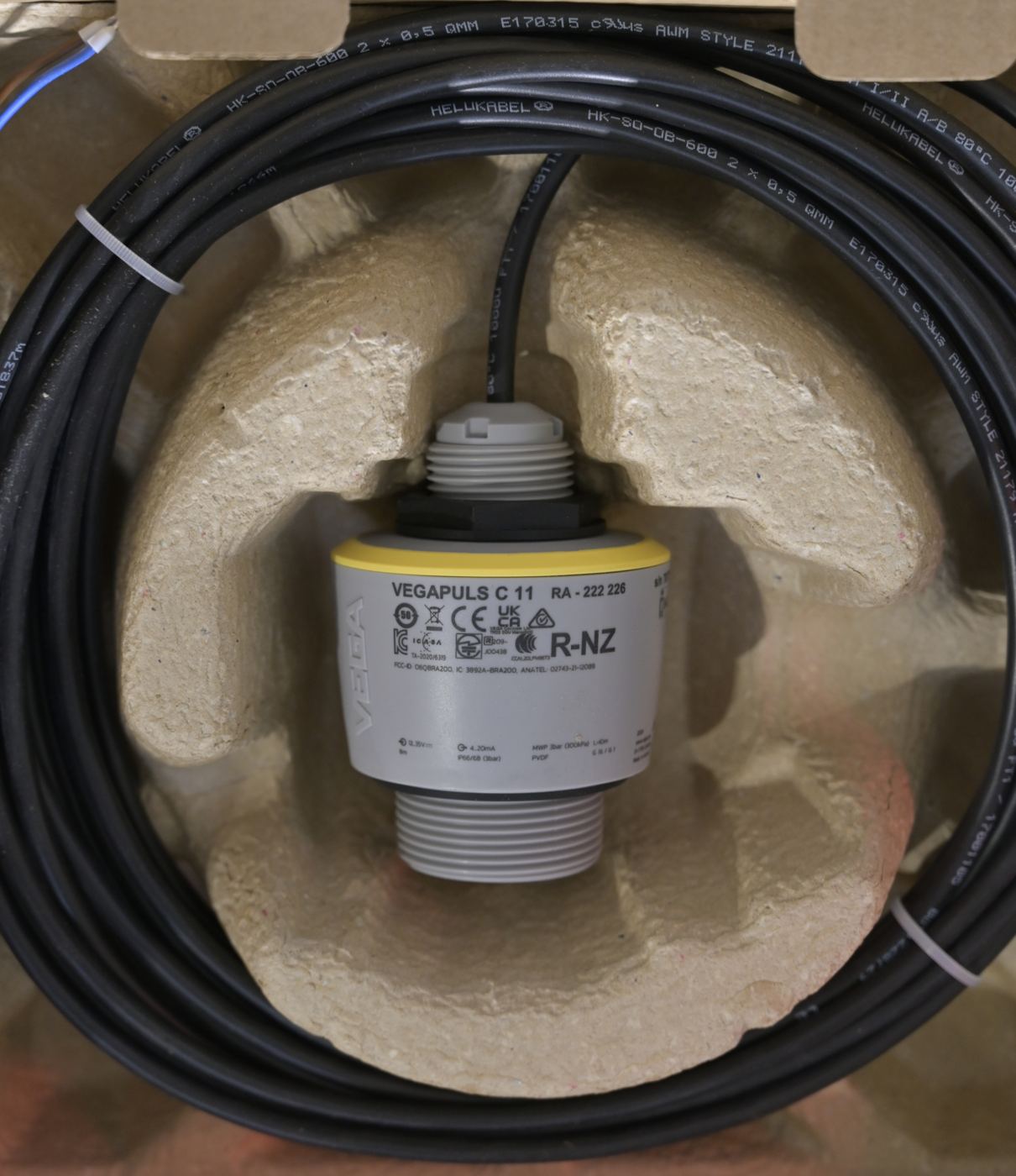
Float switches vs ultrasonics: choosing the right level control

Float switches vs ultrasonics: choosing the right level control

When it comes to managing waste water pump control panels, selecting the right level control method is crucial for reliable operation and efficiency. The two popular options are float switches and ultrasonic sensors, each with its own set of advantages and applications. Here's a closer look at how t
6 December 2024 · 3 min read

Latest from the knowledge hub

Standardising a control panel platform: how OEMs take cost and lead time out
Company and industry

Standardising a control panel platform: how OEMs take cost and lead time out

Equipment makers who order panels every month usually order too many variants. How to design one platform with option blocks, what it saves, and how to move a range across to it.

21 August 2026 · 4 min read

Free-issue controllers: how it works and what we need from you
BMS

Free-issue controllers: how it works and what we need from you

Sending your own Trend, Distech, ISMA or Tridium controllers to be fitted into a panel: what to send, when, how it is labelled and tested, and who is responsible for what.

14 August 2026 · 4 min read

What's inside a BMS outstation panel
BMS

What's inside a BMS outstation panel

Power supplies, surge protection, a network switch, the controller and the terminals: what each part of a BMS panel does, and why the bits around the controller matter as much as the controller.

7 August 2026 · 4 min read

All 66 articles →