Common control panel mistakes
By Tristan Newton, Commercial Director · 4 October 2024 · 3 min read
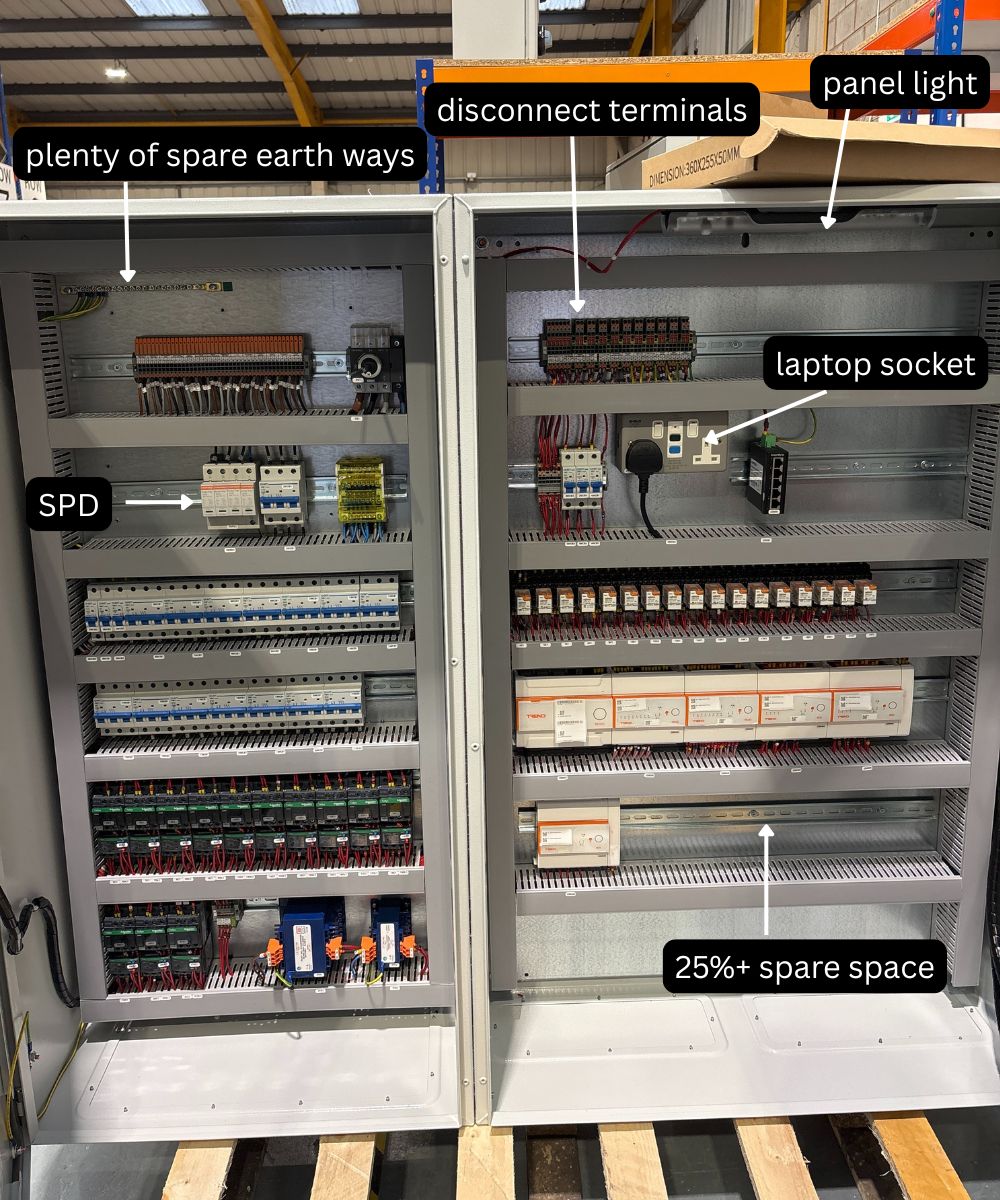
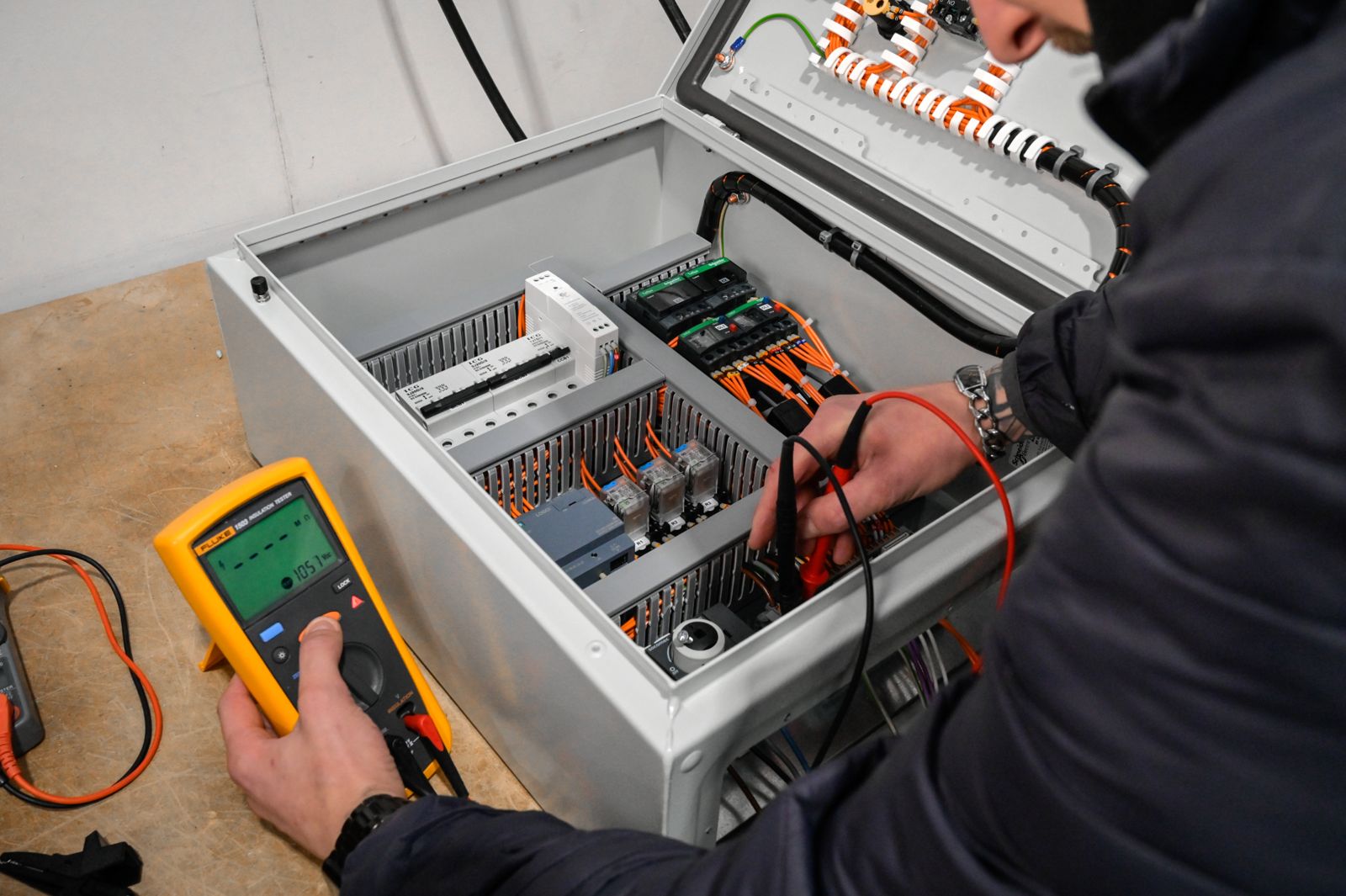
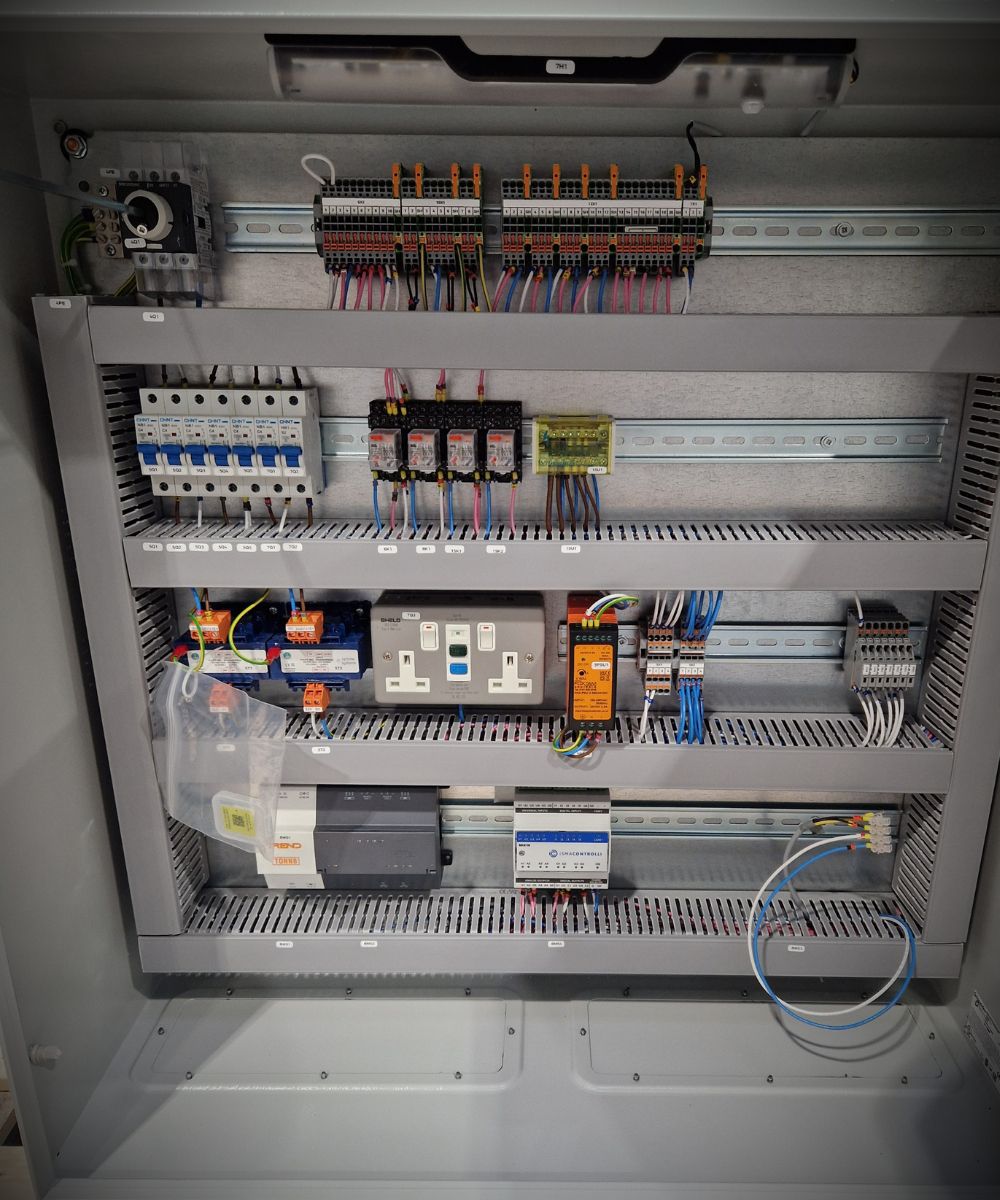
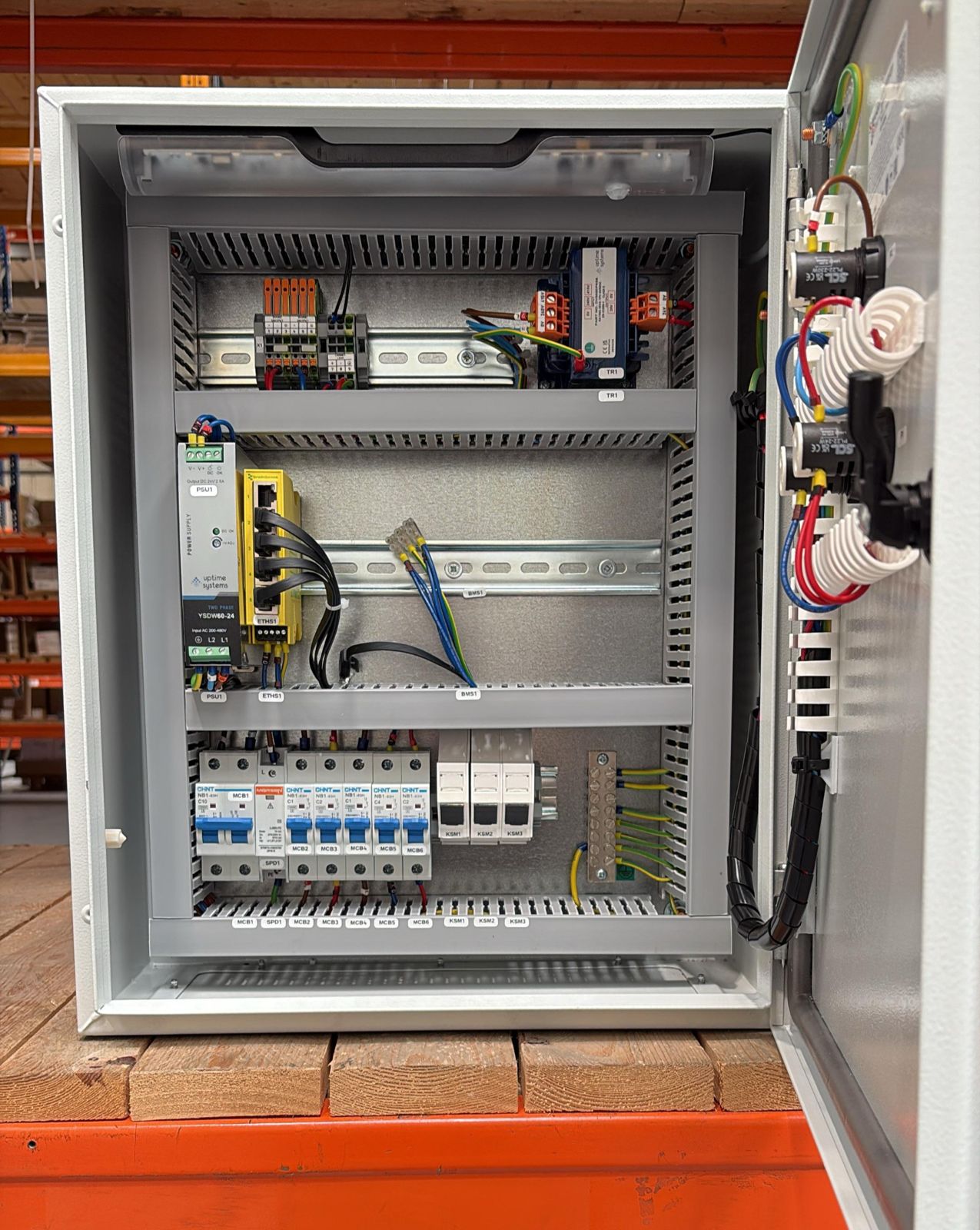
When working on control panels, it's important to check compliance to reduce the risk of the panel failing, including the risk of catching fire.
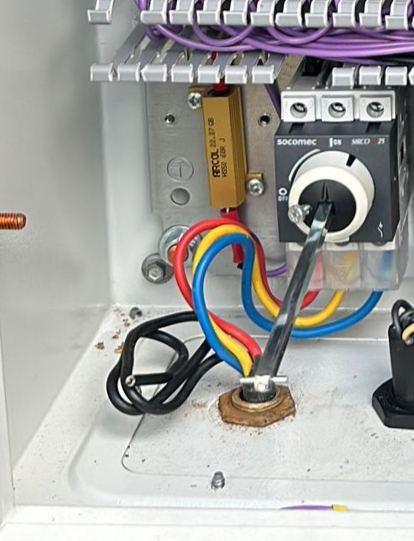
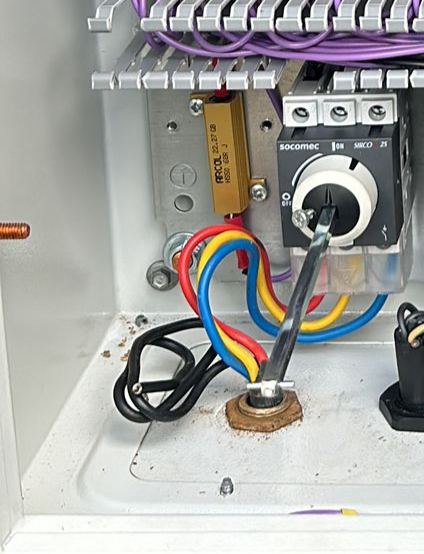
Number one of the list for us is the neutral not terminated. We so often get sent photos of an old panel that needs replacing and in the bottom of the panel is a loose 4th incoming cable. This is dangerous. The neutral can become live so anyone touching it would get a 230V shock, or if the neutral is touching the exterior of the panel that can become live so an operative doesn't even need to open the panel to get a shock.
Now admittedly the neutral should have the same potential as ground and the RCD should protect against the neutral staying live, but as most would know, sometimes this doesn't happen. Also if the neutral does touch the panel and there is an RCD on the circuit, the RCD will trip cutting the supply to the pump, this could lead to a flood if it's a waste water panel!
So to overcome this issue, make sure when you order a panel you know the supply, if there is a neutral make sure there is a 4th pole on the isolator.
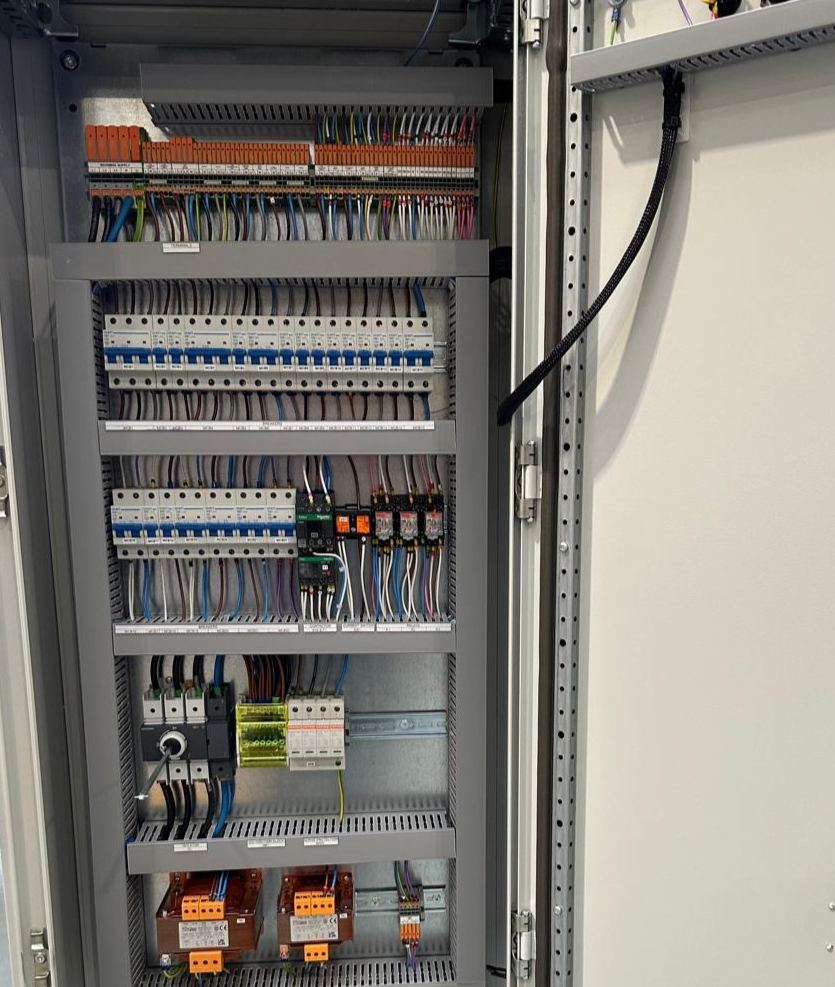
One challenge for site engineers, is the requirement under BS EN 61439 to check the torque of all screw terminals - including all those done in the field, any modifications made, etc. However, this is so commonly not done it's frightening! The best solution we've found is not to use terminals that require do not require site/field engineers to tighten to the correct torque - for example the Wago lever terminals. These not only bring a bring compliance boost - but also means that connections are much faster!
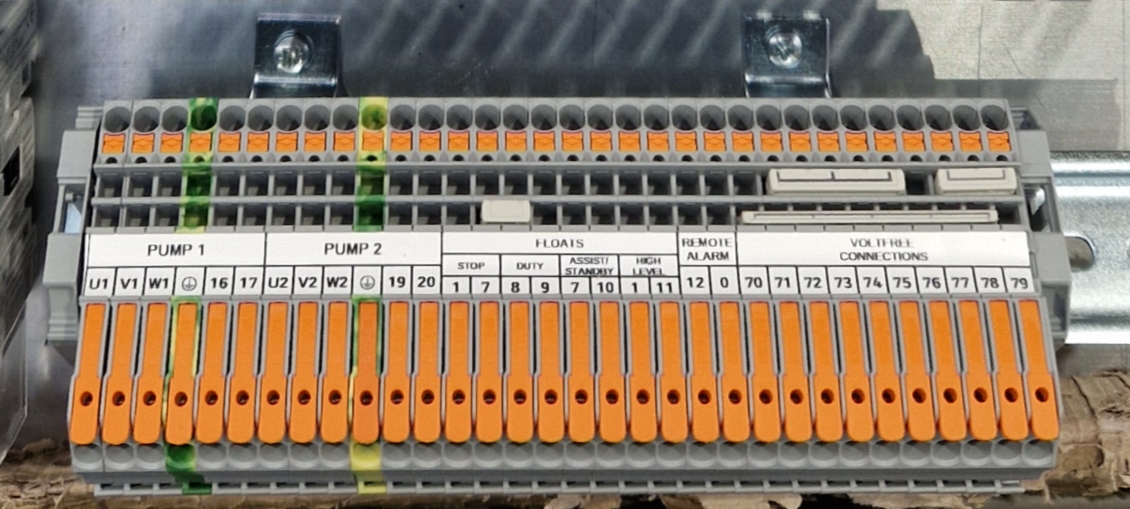
Now all electricians know that cables need to be ferruled, a basic requirement in BS 7671 18th Edition. However when it's 10pm on a Saturday and the crimps and ferrules are in the van, it's raining and there is one connection to do - there is a pretty solid chance that stranded cable is going straight into that terminal. The danger here, apart from being non-compliant, is that the termination will have a poor connection, causing a high resistance joint which has the potential to get extremely hot, risking a fire. However, Wago lever terminals do away with the requirement to have ferrules, making them both substantially faster and a big risk reduction.
The final point we're going to cover off is safe isolation. There are great training courses on this so I'd thoroughly recommend anyone working with electrics should have this training. Essentially anyone working on equipment has to lock off the isolation if they move more than 2m away from the isolation point. From the point of the engineer on site, the temptation is to briefly look at the other side or down a bit when the isolator is off but not locked. We get the temptation but it's not compliant. Nearly all isolators are door interlocked, so just have a sample padlock and a tag, or a MCB lock and tag. Simple things can mean you are compliant - and much more importantly, you're safe!
What about plastic enclosures? We've got a separate blog post on that, which covers what is the legal requirement on non-combustible enclosures.
The information provided in this blog post is intended for general knowledge and guidance only. It does not constitute professional advice. Please consult a qualified professional for advice specific to your situation before making any decisions based on this information.
Written by the engineers at G&G Controls, a UK control panel manufacturer in Stoke-on-Trent. For general guidance only; consult a qualified professional for advice on your own installation.
Up next
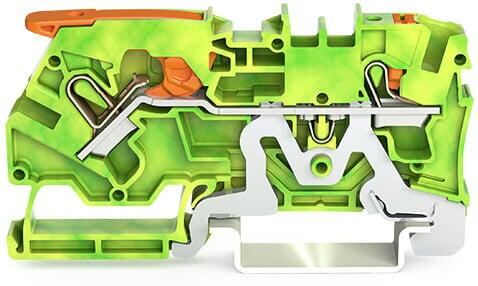
The end of earth blocks in panels
(at least, in our panels)The usual solution for earthing in a control panel is an earth block. Less commonly there may be an earth stud to use, but this can be a nuisance if you have more than one earth (for example, some bonding), because no more than one connection should be made to one earth stu