Control panels for a hire fleet: what survives the hire cycle
By Tristan Newton, Commercial Director · 19 November 2026 · 6 min read
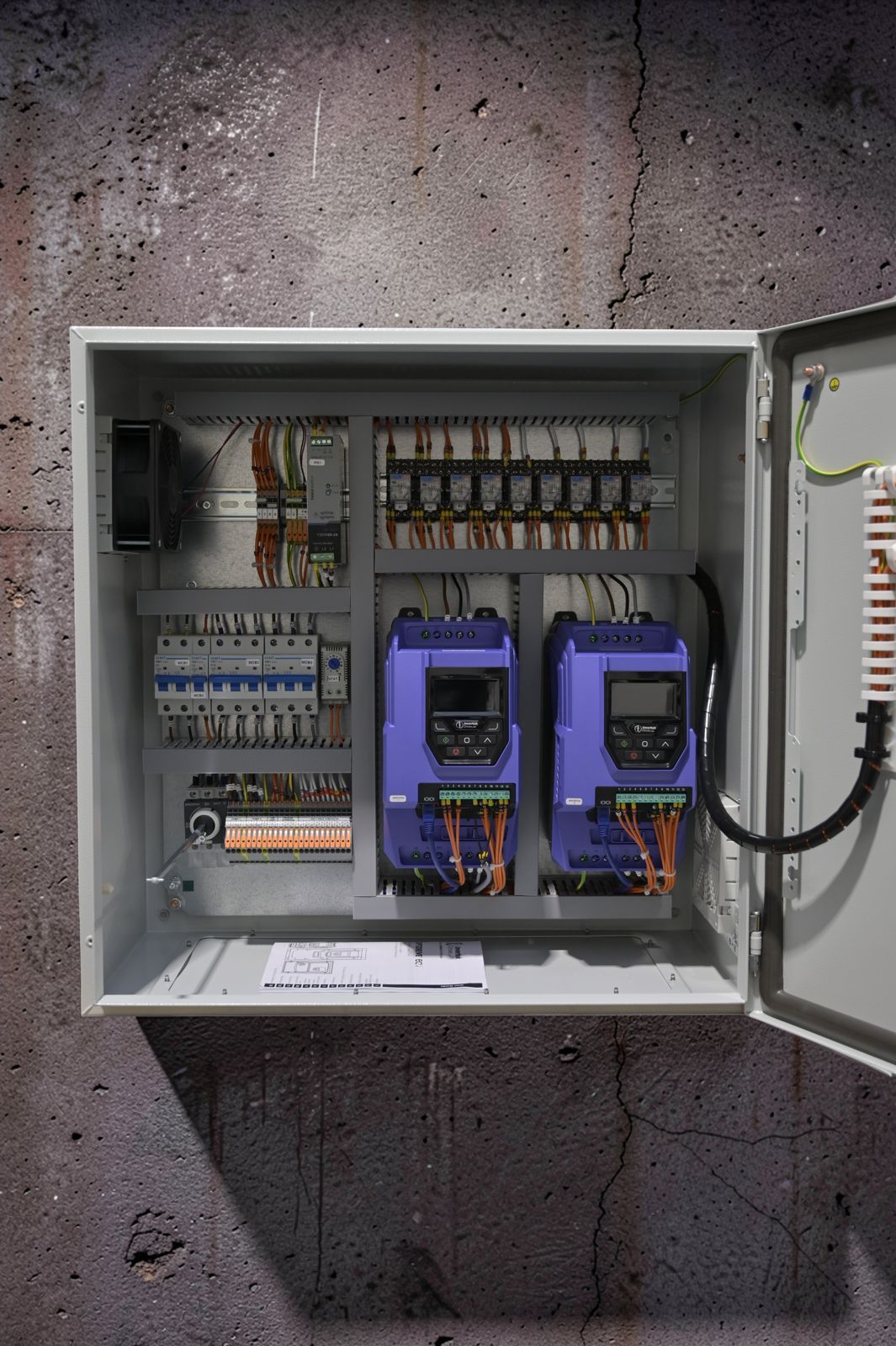
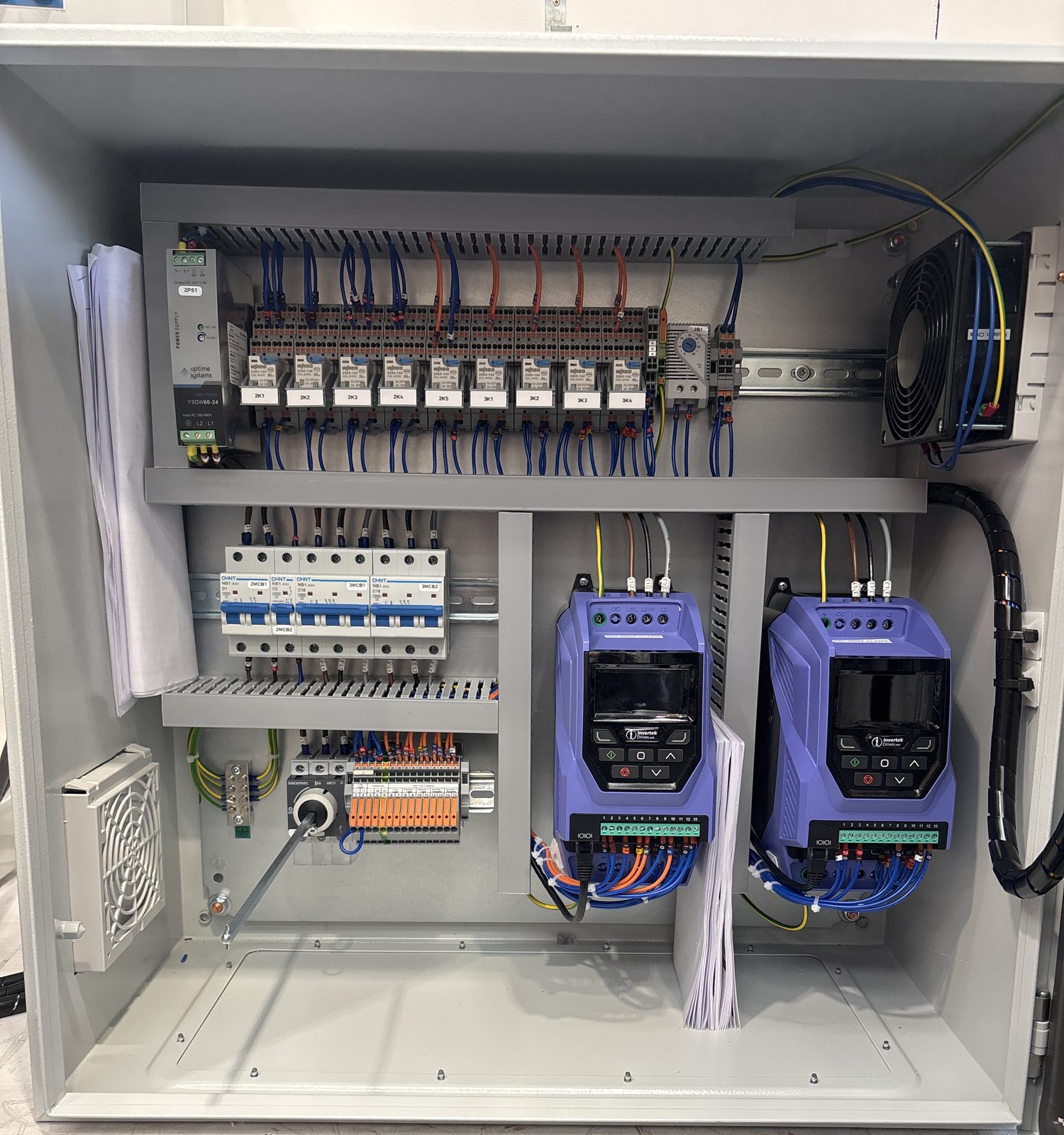
A control panel in a hire fleet has a harder life than almost any other. It goes out on a lorry, gets wired up by whoever is on site that day, runs from a generator one week and the mains the next, comes back muddy and goes out again. The panels that last are built the same way every time, plug in, show their faults on the door, and come with paperwork that makes the check between hires quick.
Here is what to ask a panel builder for if you run pumps, chillers or other plant on hire, and why each thing matters.
Why are hire fleet panels different?
A panel at a fixed site is installed once by an electrician who has the drawing, then left alone. A hire panel is:
- Connected and disconnected many times, by different people, often in a hurry.
- Moved, lifted, stacked and stored outdoors.
- Run on different supplies: site mains, a generator, sometimes a supply nobody has checked.
- Checked by your depot, not the panel builder, every time it comes back.
- Needed at short notice. The job that comes in on Friday afternoon wants a panel on Monday.
Every one of those is easier when every panel of a type is identical.
One drawing, one product code
The single biggest thing a hire company can do is standardise: one drawing per panel type, built to that drawing every time, ordered by product code rather than by description.
That gives you:
- Panels you can hold on the shelf. Your depots stock the standard panel and pick one off the shelf when the job comes in, rather than waiting for a build.
- Depot staff who know every panel. Same layout, same terminals, same lamps, same fault finding.
- One set of spares. If every changeover panel uses the same controller, relays and breakers, a depot needs one spares kit, not one per panel.
- Repeat orders without a redesign. The drawing exists, the test sheet exists, the labels are printed from the code.
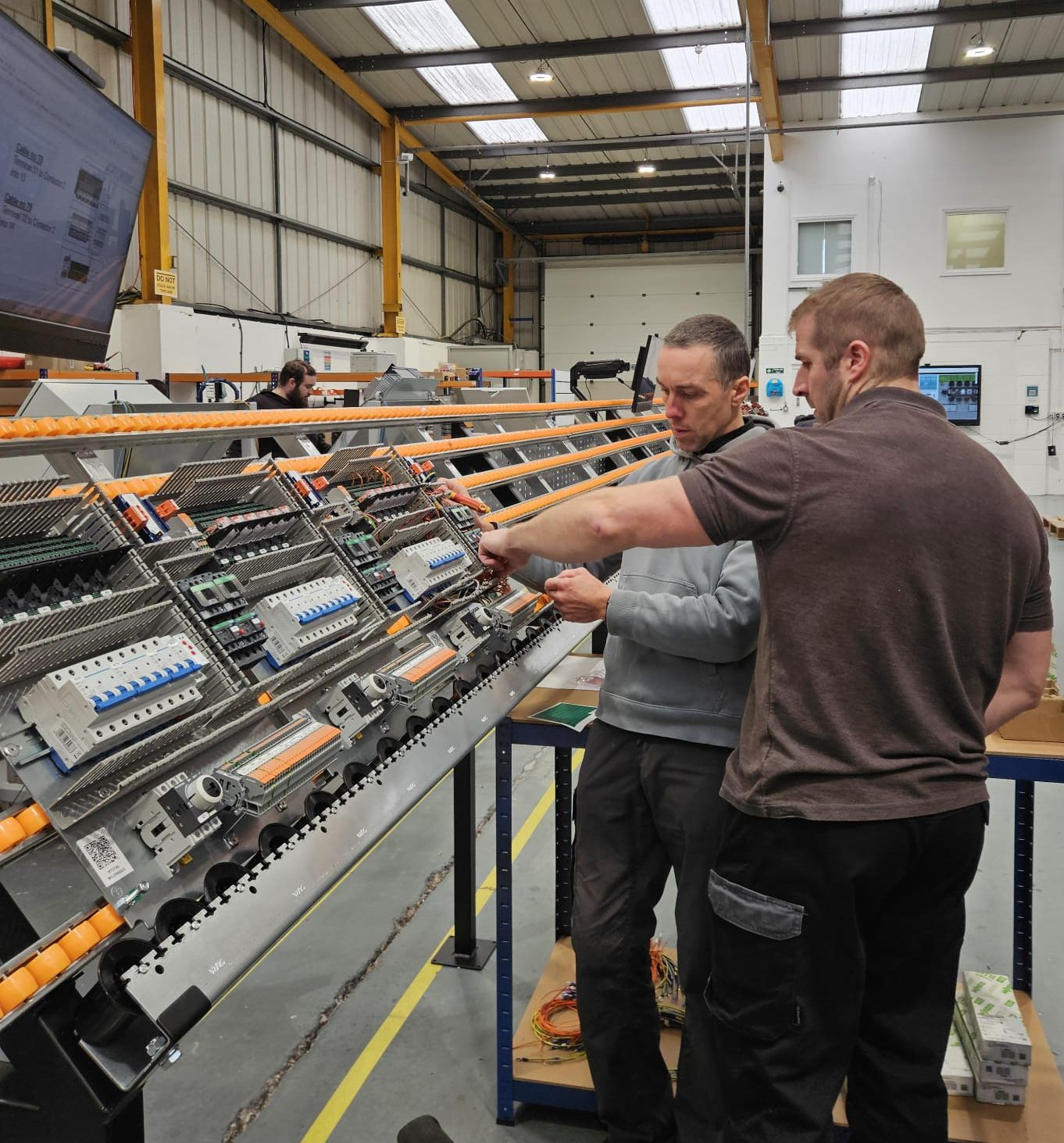
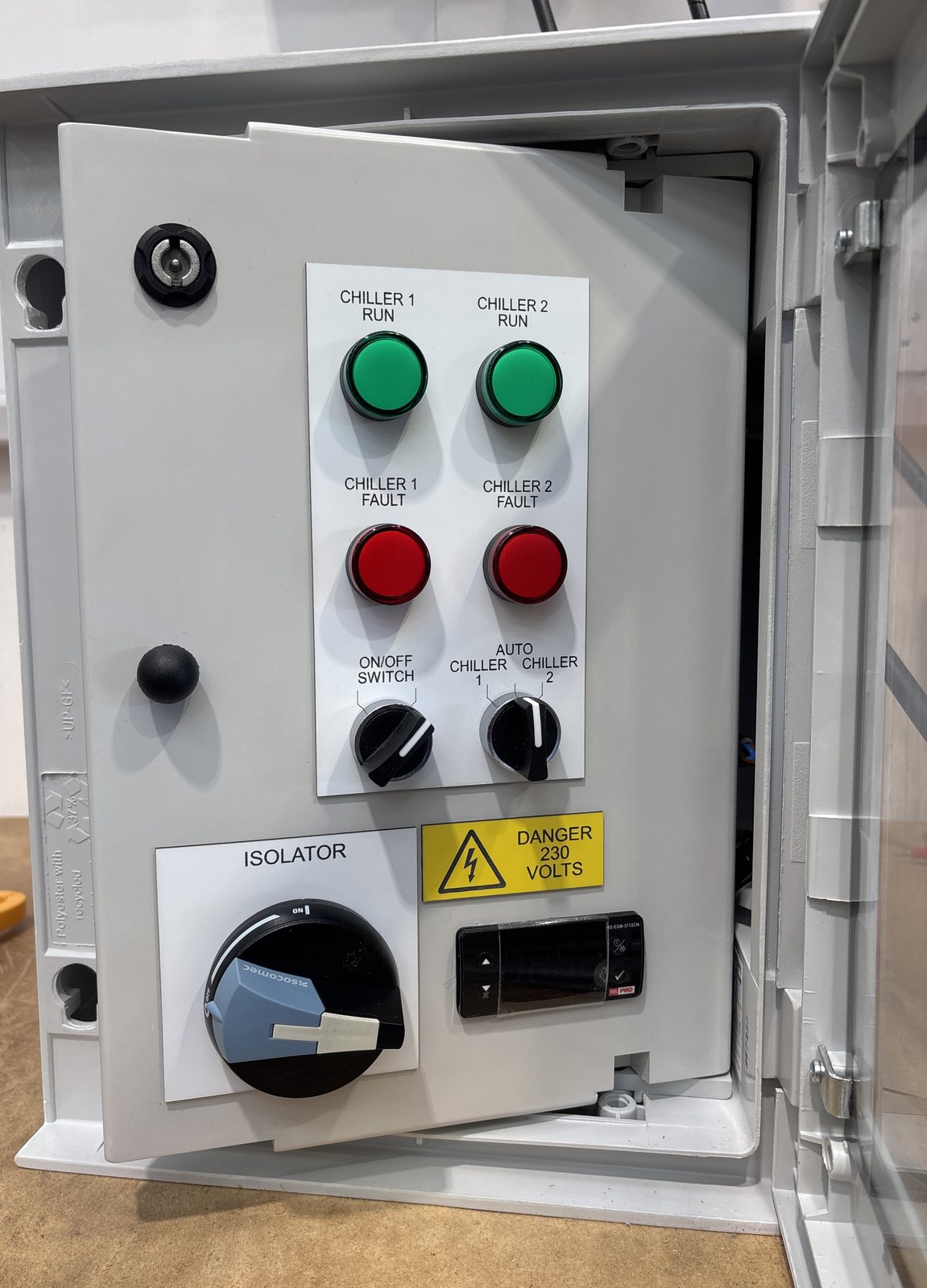
We did exactly this for a national cooling hire company: their existing chiller changeover panel was re-engineered and drawn once as indoor and outdoor standards. Twenty have been built to that one drawing set so far, typically turned round in one to three weeks, and their depots hold them in stock for urgent jobs. Standardising a control panel platform explains the same approach across a whole range.
Plug in, don't wire in
Every hard-wired connection on site is time, an electrician and a chance to get it wrong. On a hire panel, put the connections on the outside:
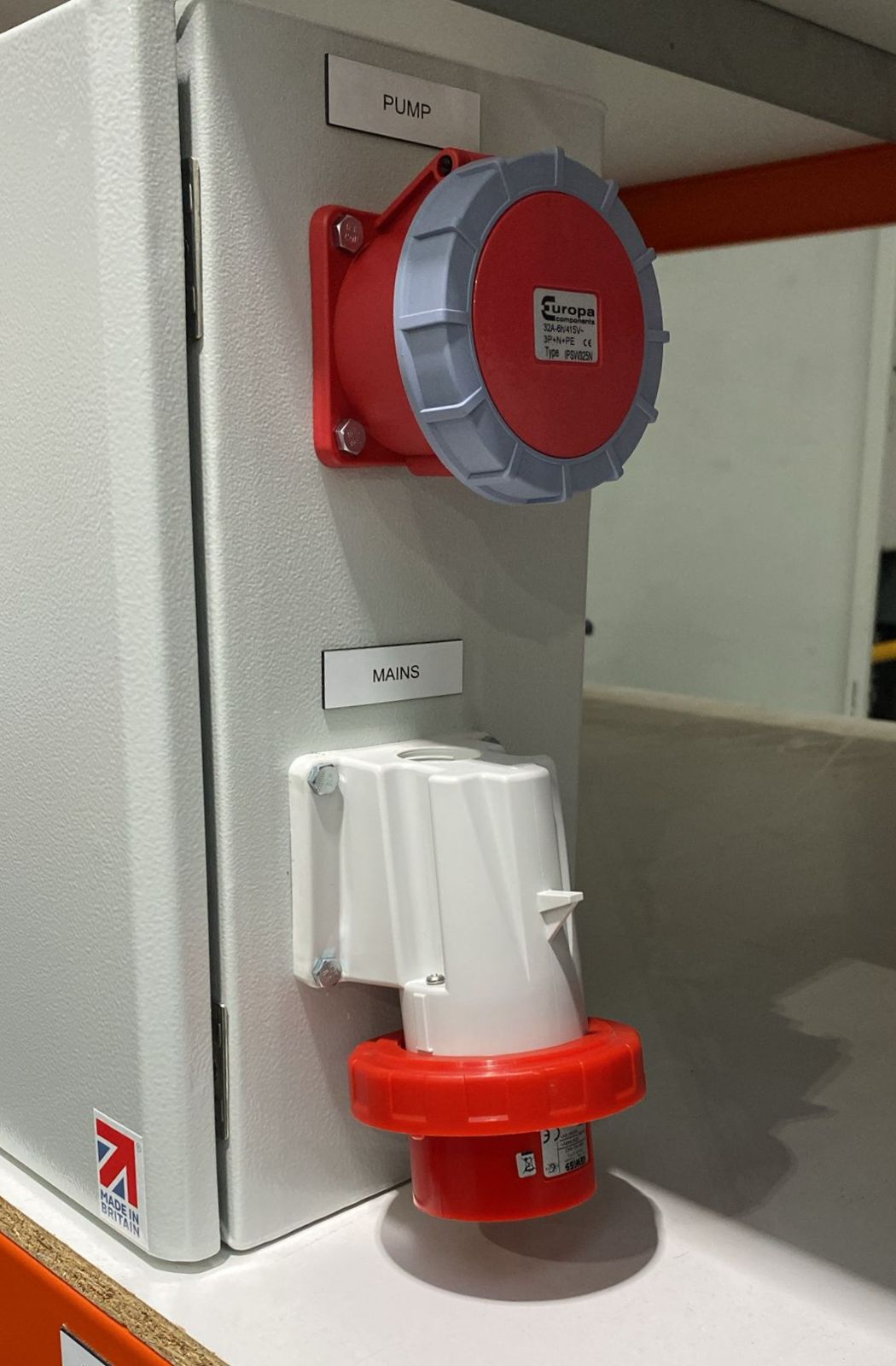
- An industrial inlet for the supply and industrial sockets for each pump or load, to BS EN 60309 (the red 400V and blue 230V connectors every site already uses). Label each one.
- A generator inlet sized to the load where the panel may run from a generator. Ours come in 32, 63 or 125A.
- Volt-free signals on a plug or a clearly marked terminal block, so a chiller enable, a BMS or a telemetry link can be connected without opening the main panel.
The supply and the pump then go in with a plug in a few minutes, and the panel comes back to the depot without anyone having stripped its terminals.
An enclosure built for the back of a lorry
- IP rating to suit outdoor use. IP55 is fine indoors or under cover. For panels that live outdoors, ask for IP65 or IP66. IP ratings explained covers the difference.
- Polyester (GRP) for outdoor panels: it does not rust when the paint is chipped. Steel is fine for indoor versions. Mild steel vs polyester enclosures compares them.
- A clear outer door or window, so lamps and displays can be read without opening the panel.
- Lifting points, mounting lugs or a frame, and a lockable door.
- Components that do not mind being moved: DIN-rail parts fixed with end stops, cables tied and supported, and nothing heavy hanging off a door.
Faults the depot and the site can see
A hire panel is usually looked after by someone who did not install it. Make its state obvious:
- Run and fault lamps for every pump, chiller or motor on the door.
- Fail-safe fault inputs, so a broken or unplugged fault wire shows as a fault, not as healthy.
- A common fault volt-free output for the site's BMS or a telemetry unit.
- Hours run meters if you charge or service by running hours.
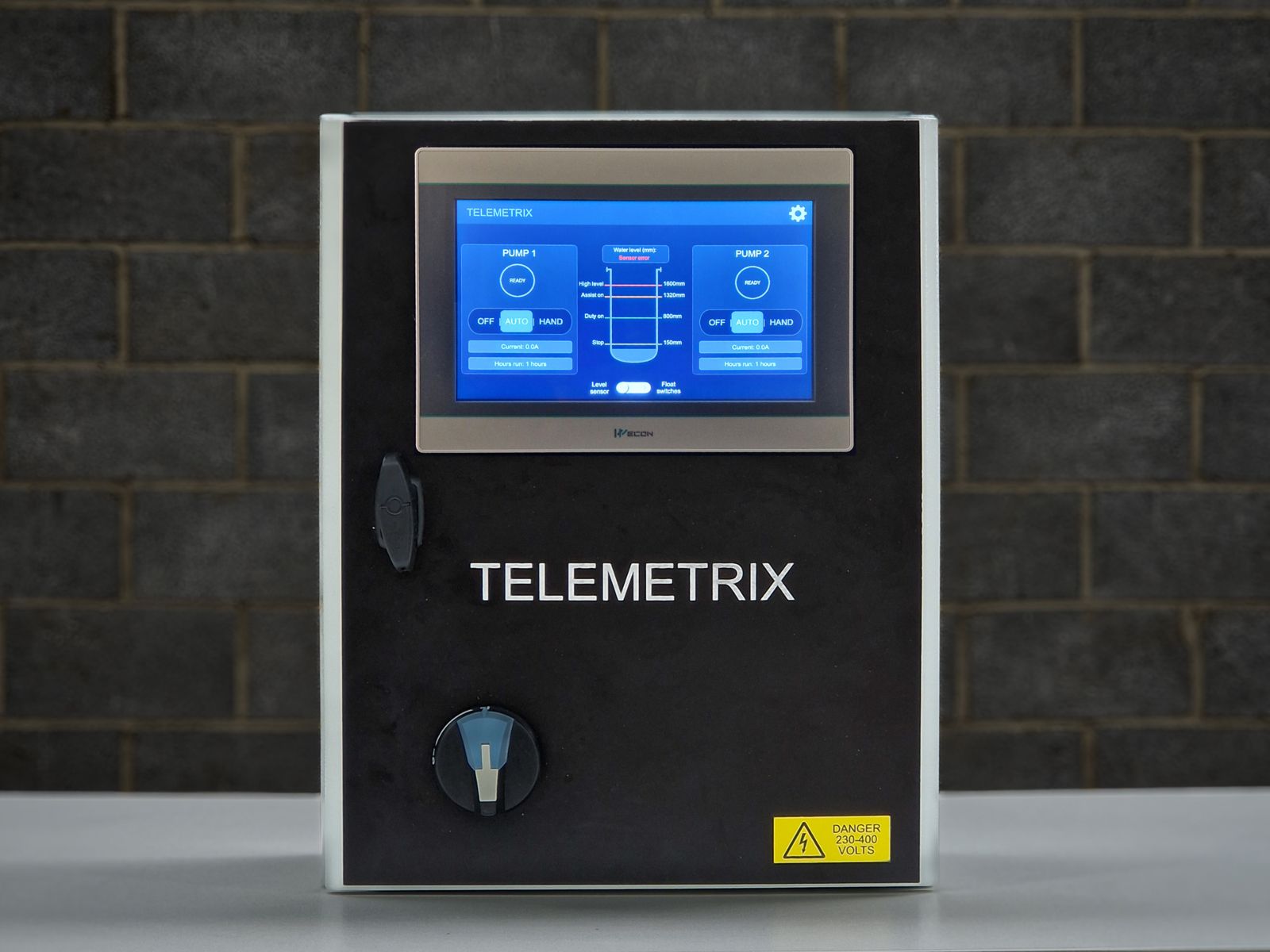
- Remote alerts where nobody is on site. A panel with Telemetrix built in sends pump trip, high level and power fail alerts by email or text, with no subscription for the alerts.
Paperwork that makes the check between hires quick
Your depot will inspect and test each panel between hires, usually under the IET Code of Practice for In-service Inspection and Testing of Electrical Equipment. That is quicker when every panel arrives with:
- A serial number on the panel and on its paperwork.
- The wiring diagram for that exact build.
- A test certificate recording the factory tests: insulation resistance, earth continuity and a full functional test. What a control panel test certificate should include lists what to look for.
- A declaration of conformity to BS EN 61439-2. What the certificate covers, and what it doesn't.
Because every panel of a type is identical, the depot's test sheet can be written once against the drawing and reused.
What to send a panel builder
To quote a hire fleet panel properly, we need:
- What it controls: pumps, chillers, fans, valves, and how many.
- Each motor's full load current or kW, and how it starts (direct on line, star/delta, soft start or inverter).
- The supply: single or three phase, and whether it will run from a generator.
- How it is controlled: floats, a level sensor, a temperature stat, a BMS enable, or a simple start signal.
- Where it lives: indoor, outdoor, or both versions.
- How it connects: which plugs and sockets, which signals out.
- How many, roughly, over a year. That decides whether it is worth holding stock.
If you already have a panel you like, send its drawing or photos. Re-engineering an existing design into a standard is often the quickest route.
Frequently asked questions
Can you build to our existing hire panel design?
Yes. Many hire companies already have a design that works. We redraw it as a standard, suggest improvements such as circuit breakers in place of fuses or a 24V DC control circuit, and agree every change with your technical manager before building to it.
How quickly can you supply a standard hire panel?
Once the drawing is approved, repeat panels of a standard design have typically gone out in one to three weeks from order. Our standard pump control panels are available next working day from stock, subject to availability.
Do hire panels need to meet BS EN 61439-2?
Yes. A hire control panel is a low voltage switchgear and controlgear assembly like any other, and should be designed, verified and routine tested to BS EN 61439-2, with a declaration of conformity and a test certificate for each panel.
Should a hire panel have plugs and sockets or terminals?
Plugs and sockets to BS EN 60309 wherever the panel will be connected and disconnected regularly. They save time on site, reduce wiring mistakes and stop the panel's terminals being disturbed every hire.
What enclosure is best for an outdoor hire panel?
A polyester (GRP) enclosure rated IP65 or IP66, with a clear outer door so the lamps can be read without opening it, and lifting or mounting points.
Talk to us about OEM and hire fleet control panels, or send your existing drawing to sales@gandgcontrols.co.uk.
Written by the engineers at G&G Controls, a UK control panel manufacturer in Stoke-on-Trent. For general guidance only; consult a qualified professional for advice on your own installation.
Up next
Standardising a control panel platform: how OEMs take cost and lead time out
Equipment makers often order too many panel variants. How to design one platform with option blocks, what it saves, and how to move a range across to it.