IP ratings explained: IP55, IP65 and IP66 for control panels
By Tristan Newton, Commercial Director · 19 June 2026 · 4 min read
An IP rating tells you how well an enclosure keeps out solid objects and water. It is two digits, defined by BS EN 60529, and for a control panel the difference between them is the difference between switchgear that lasts and switchgear that corrodes.
Here is what the numbers mean, which one your panel needs, and the thing about IP ratings that catches people out.
The two digits
First digit: solids. From 0 (no protection) to 6 (dust-tight). For control panels the ones that matter are 5, dust-protected (some dust may get in but not enough to affect operation), and 6, dust-tight.
Second digit: water. From 0 to 9:
- 4: splashing water from any direction
- 5: water jets from a nozzle, from any direction
- 6: powerful water jets
- 7: temporary immersion, up to a metre for 30 minutes
- 8: continuous immersion, to a depth the manufacturer states
- 9: high-pressure, high-temperature jets (wash-down)
An X in either position means that digit has not been tested, not that it is zero: IPX4 has been tested for water only.
What control panels are rated
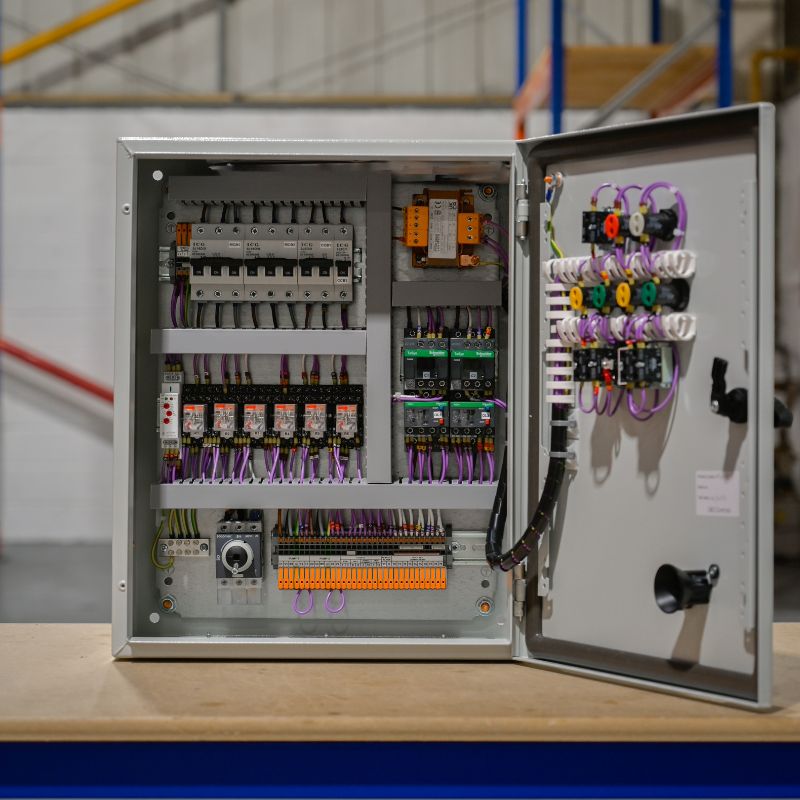
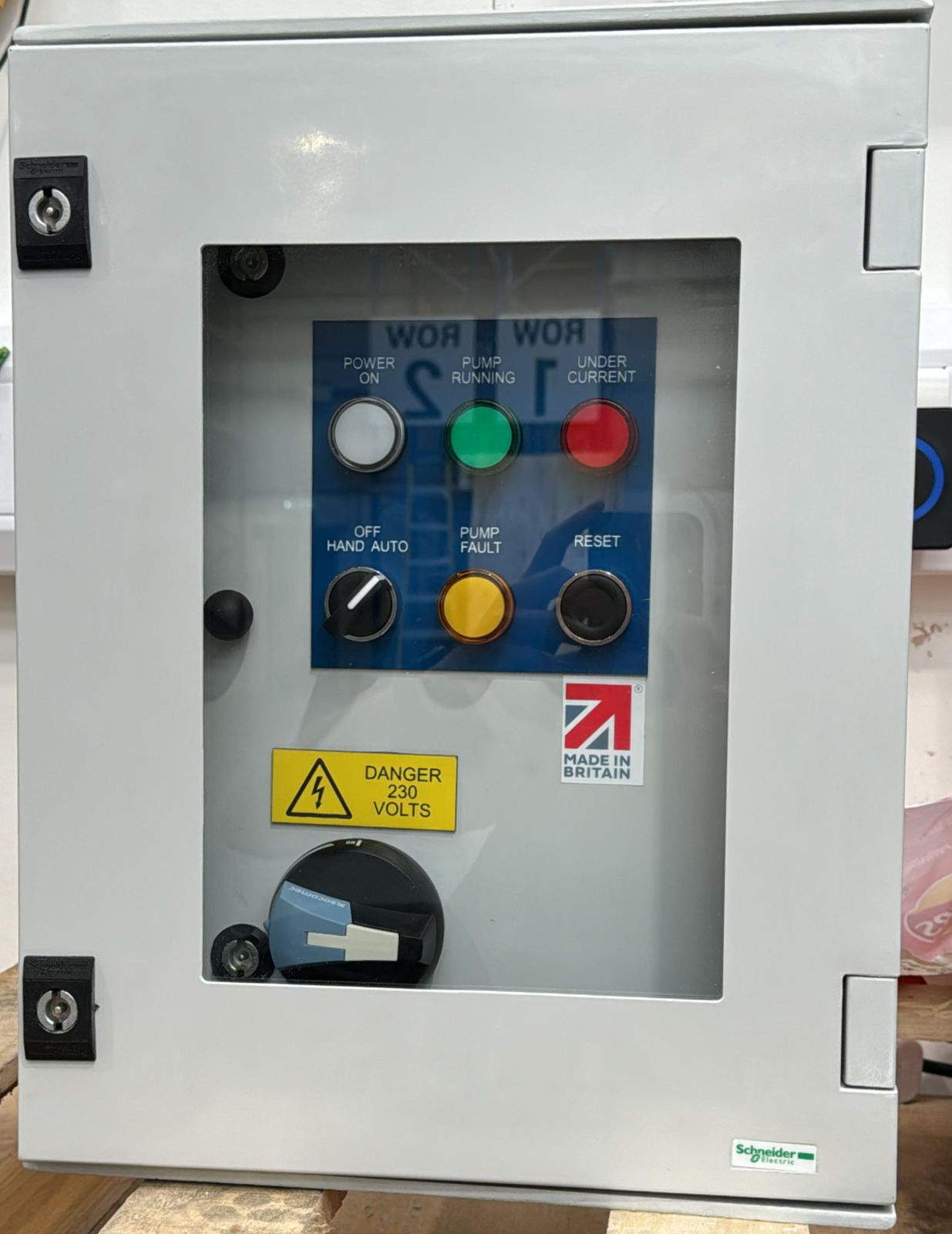
- IP55: dust-protected, water jets. The standard rating for our pump control panels and for most wall-mounted control panels in the UK. Fine indoors, and inside a kiosk.
- IP65: dust-tight, water jets. Common for polyester and GRP enclosures.
- IP66: dust-tight, powerful jets. The rating to ask for when the panel itself faces the weather: an outside wall with no kiosk, a wash-down area, a coastal site. Available as an option on our standard panels.
- IP67 and 68 are for equipment that can be submerged, such as the pump itself and its cable, not the panel.
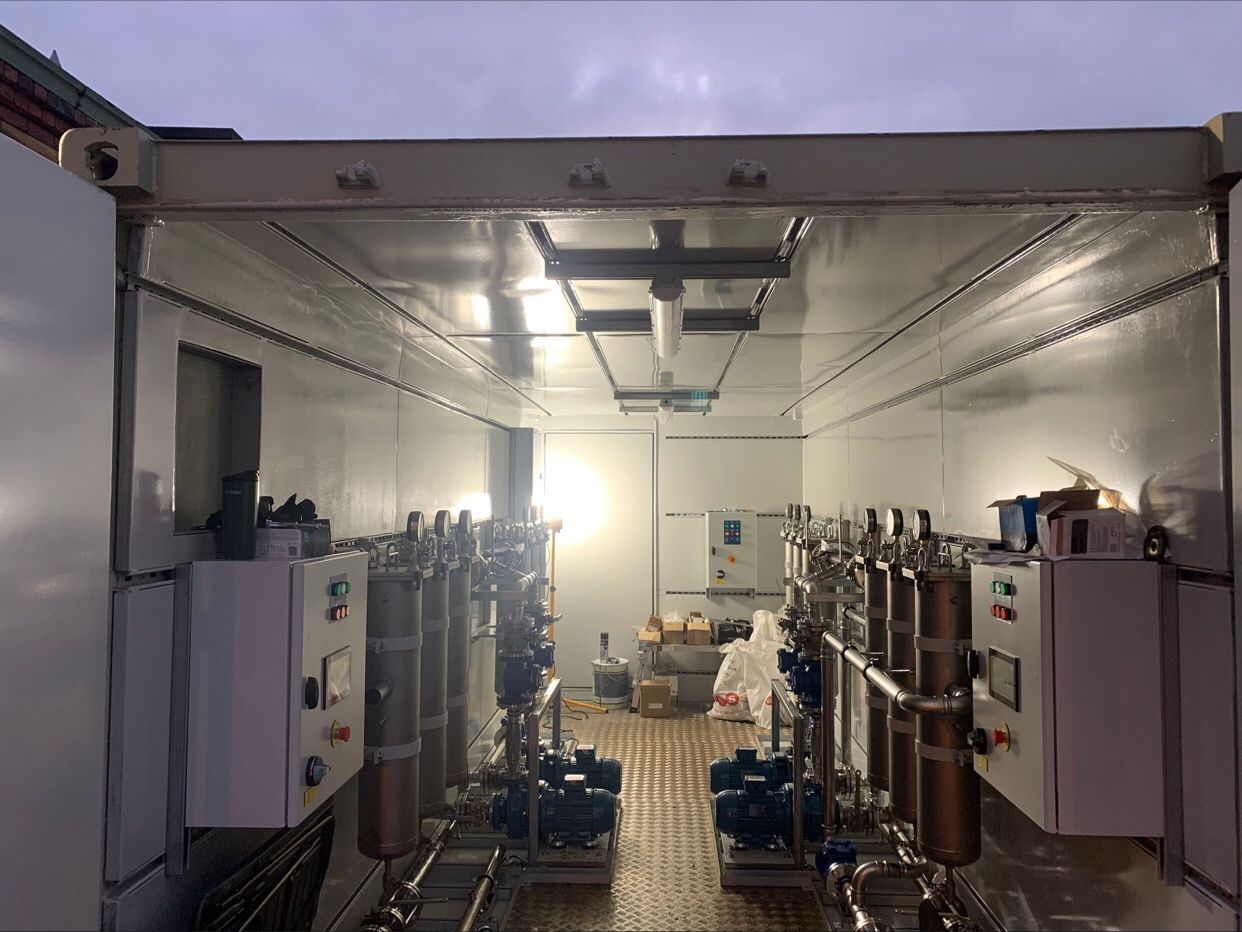
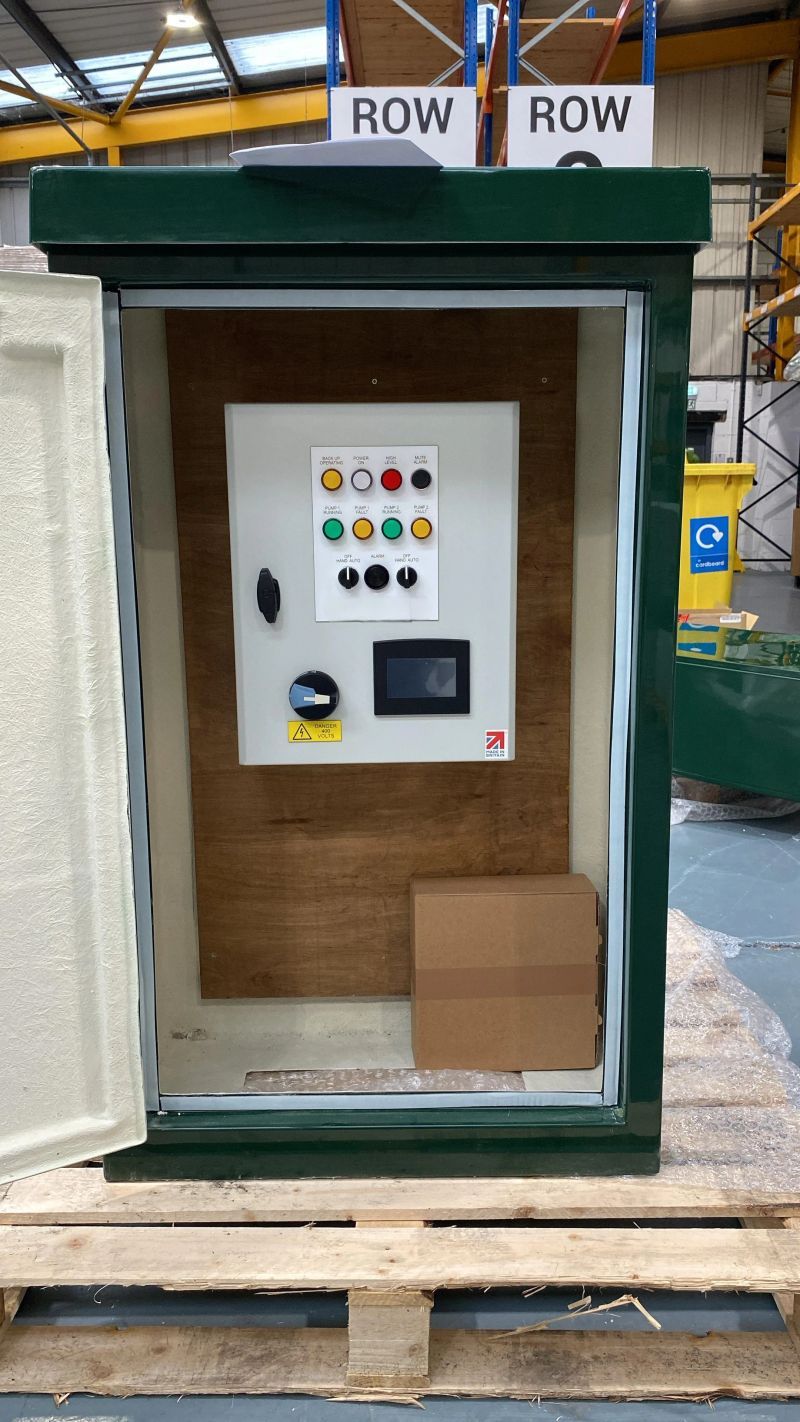
The kiosk takes the weather at a free-standing pump station, so the panel inside can be the standard IP55. Kiosk or wall-mounted? covers when to choose which.
What a rating does not mean
It is the rating of the empty enclosure, as tested by the enclosure maker, with the door shut. Everything that happens afterwards can reduce it:
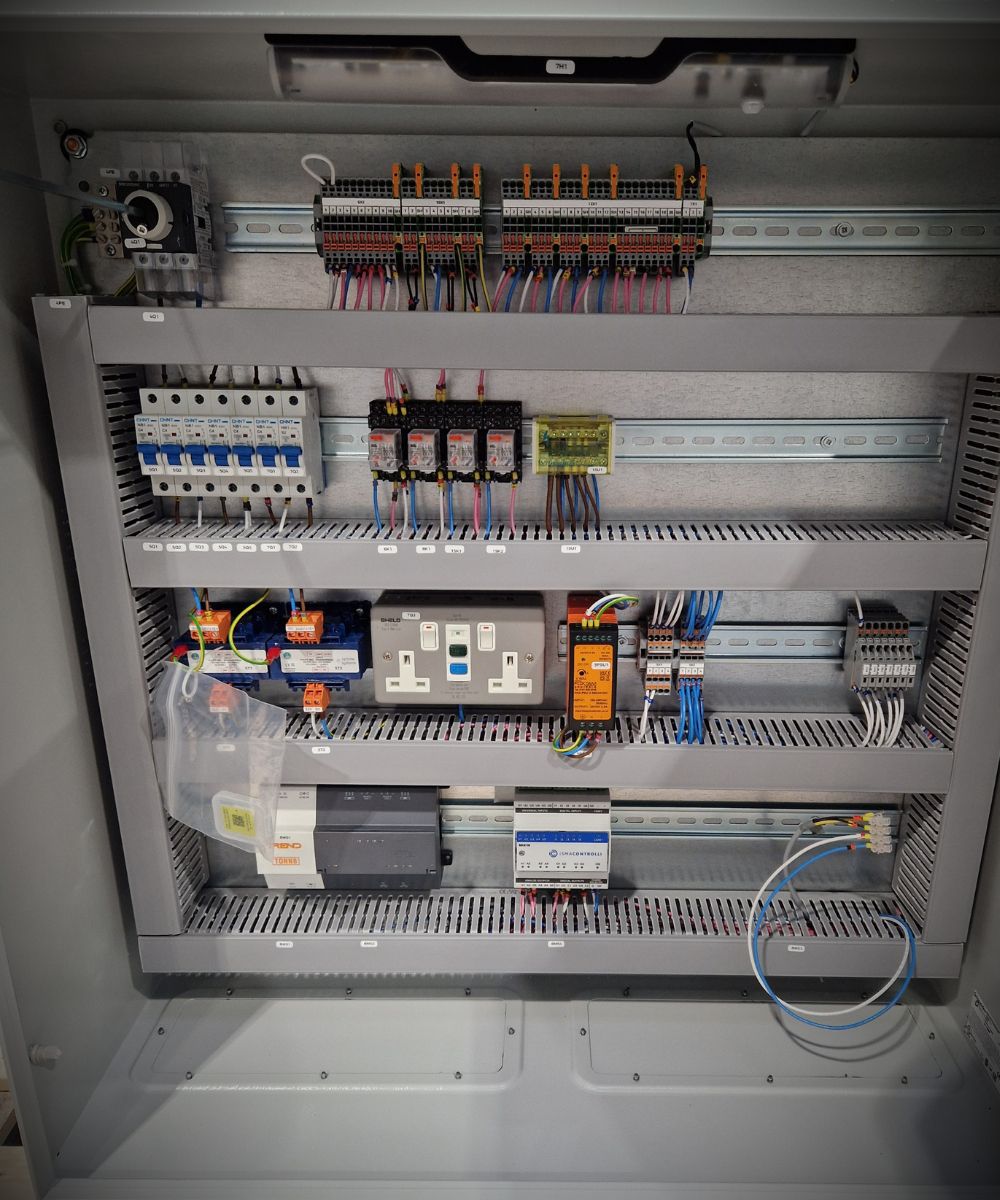
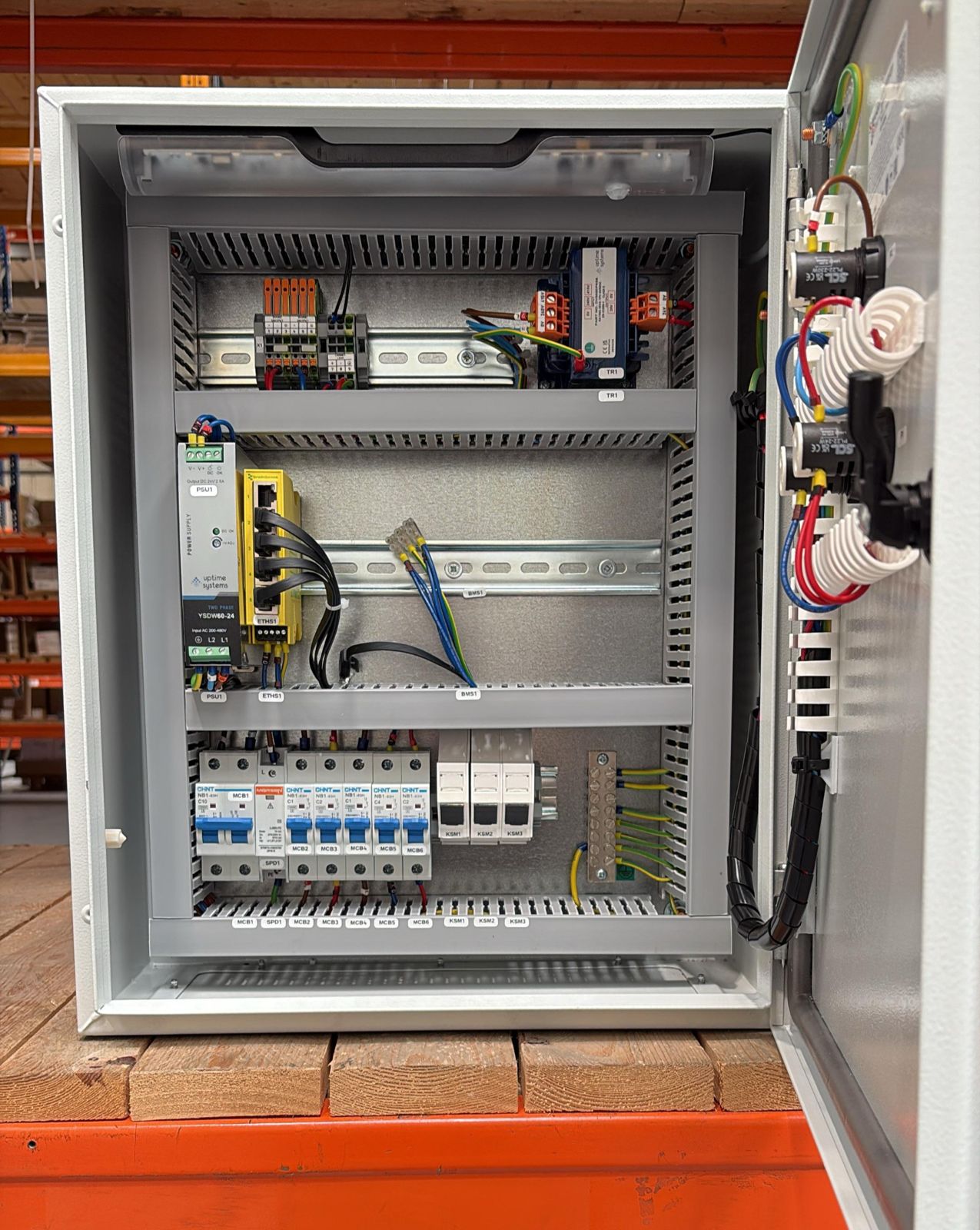
- Gland plate entries. Every cable entry needs a gland rated at least as high as the enclosure, fitted properly. An unused hole is IP nothing. Cable entries should be in the bottom, so water on the outside runs away from them rather than into them.
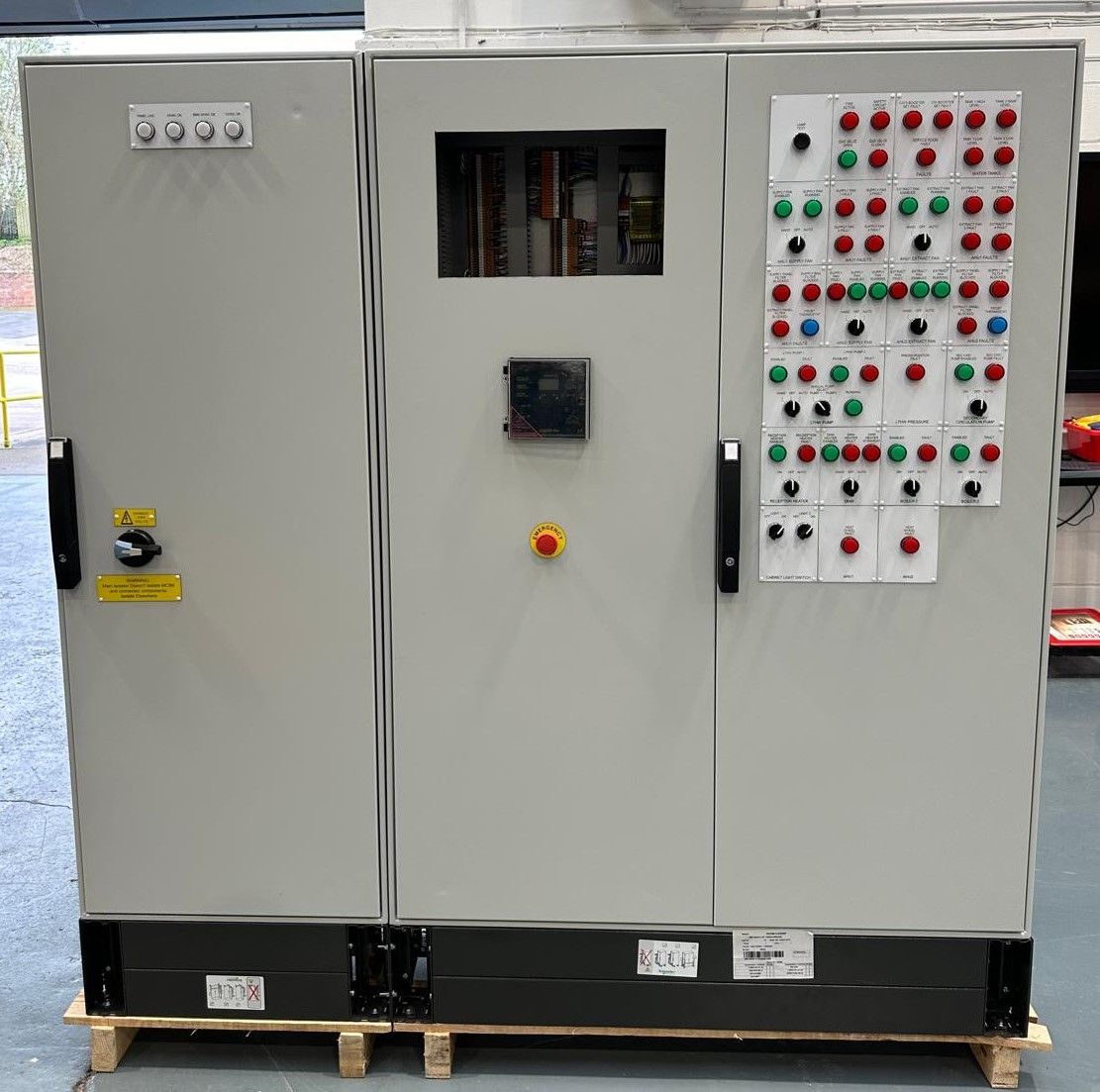
- Door furniture, lamps, switches and displays. Each is a hole in the door with a component in it, and each has its own rating. A door full of IP65 push buttons is fine; a door with an IP40 meter fitted into it is an IP40 door.
- The door seal and lock. A seal that has been painted over, perished, or a door that does not close squarely because the enclosure was fixed to an uneven wall.
- Site modifications. A hole drilled for an extra cable and not glanded is the most common way a panel loses its rating.
A panel builder is responsible for maintaining the rating through the build: the right glands, the right door components, cut-outs sealed. Ask what the finished panel is rated to, not what the enclosure catalogue says.
Condensation is not covered
An IP rating is about water getting in from outside. It says nothing about the water that forms inside a closed box when warm damp air cools overnight. An IP66 panel outdoors without a heater will fill with condensation exactly as an IP55 one would. The answer is a small anti-condensation heater on a thermostat, and for outdoor panels we always recommend one.
IK ratings
You will sometimes see an IK rating alongside, from IK00 to IK10. It is impact resistance, to BS EN 62262: IK08 survives a 5 joule impact, IK10 survives 20 joules. It matters for panels in public places or where vandalism is a risk; a GRP kiosk is typically IK10.
What to ask for
| Location | Rating |
|---|---|
| Plant room, indoors | IP55 |
| Inside a GRP kiosk | IP55 |
| Outside wall, sheltered | IP65 or IP66 |
| Outside wall, exposed or coastal | IP66 with a heater |
| Wash-down area | IP66, stainless or polyester |
Our standard panels are IP55, with IP66 as an option; say where the panel is going and we will specify the rating with the quote.
Frequently asked questions
Is IP66 better than IP65?
Yes, marginally. Both are dust-tight; IP66 is tested against more powerful water jets. For an outdoor wall-mounted panel, IP66 is the one to specify.
Is IP55 enough outdoors?
Inside a kiosk, yes. On an open wall, ask for IP66. Either way, fit a heater: the rating does not stop condensation.
Does adding a socket or a beacon to the door reduce the rating?
It can. The component has its own IP rating and the cut-out has to be sealed; a competent panel builder chooses door components at or above the enclosure rating. Ask what the finished panel is rated to.
Can a panel be re-rated after a site modification?
Only by whoever made the modification taking responsibility for it, with the right glands and seals. Drilling a hole and leaving it is the end of the rating.
Written by the engineers at G&G Controls, a UK control panel manufacturer in Stoke-on-Trent. For general guidance only; consult a qualified professional for advice on your own installation.
Up next
Kiosk or wall-mounted? Choosing an enclosure for an outdoor pump station
Steel, polyester or a GRP kiosk; IP55 or IP66; heater, light, generator inlet. How to choose the housing for a pump control panel that lives outside.