Mild steel vs polyester glazed enclosures: what’s the difference?
By Tristan Newton, Commercial Director · 29 November 2024 · 3 min read
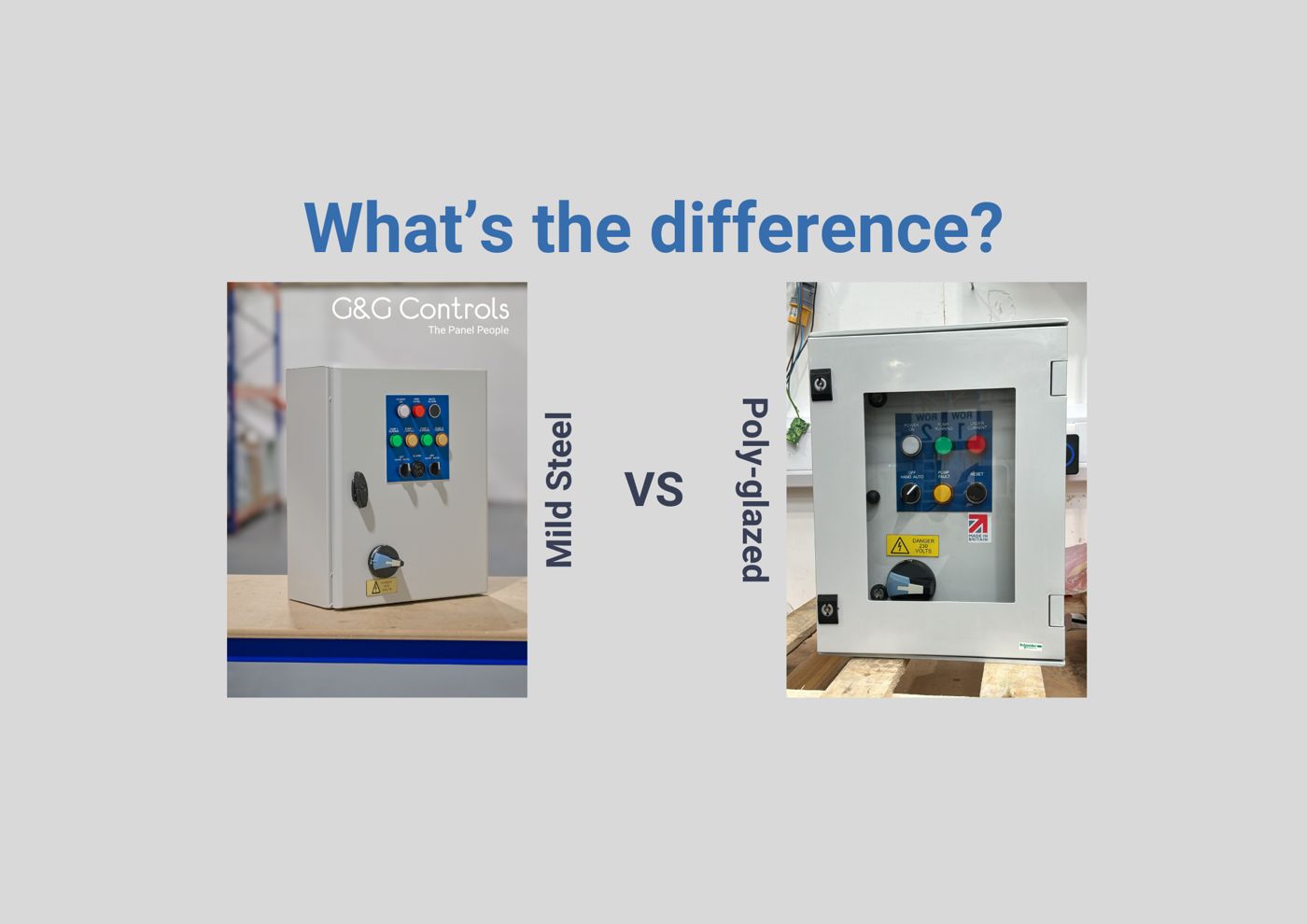
When selecting an enclosure for control panels, the environment, maintenance needs, and ease of use are key factors to consider. Two of the solutions offered by Schneider Electric are mild steel and polyester glazed enclosures, each with unique advantages. Here's a comparison tailored to pump panel applications.
1. Strength and Durability
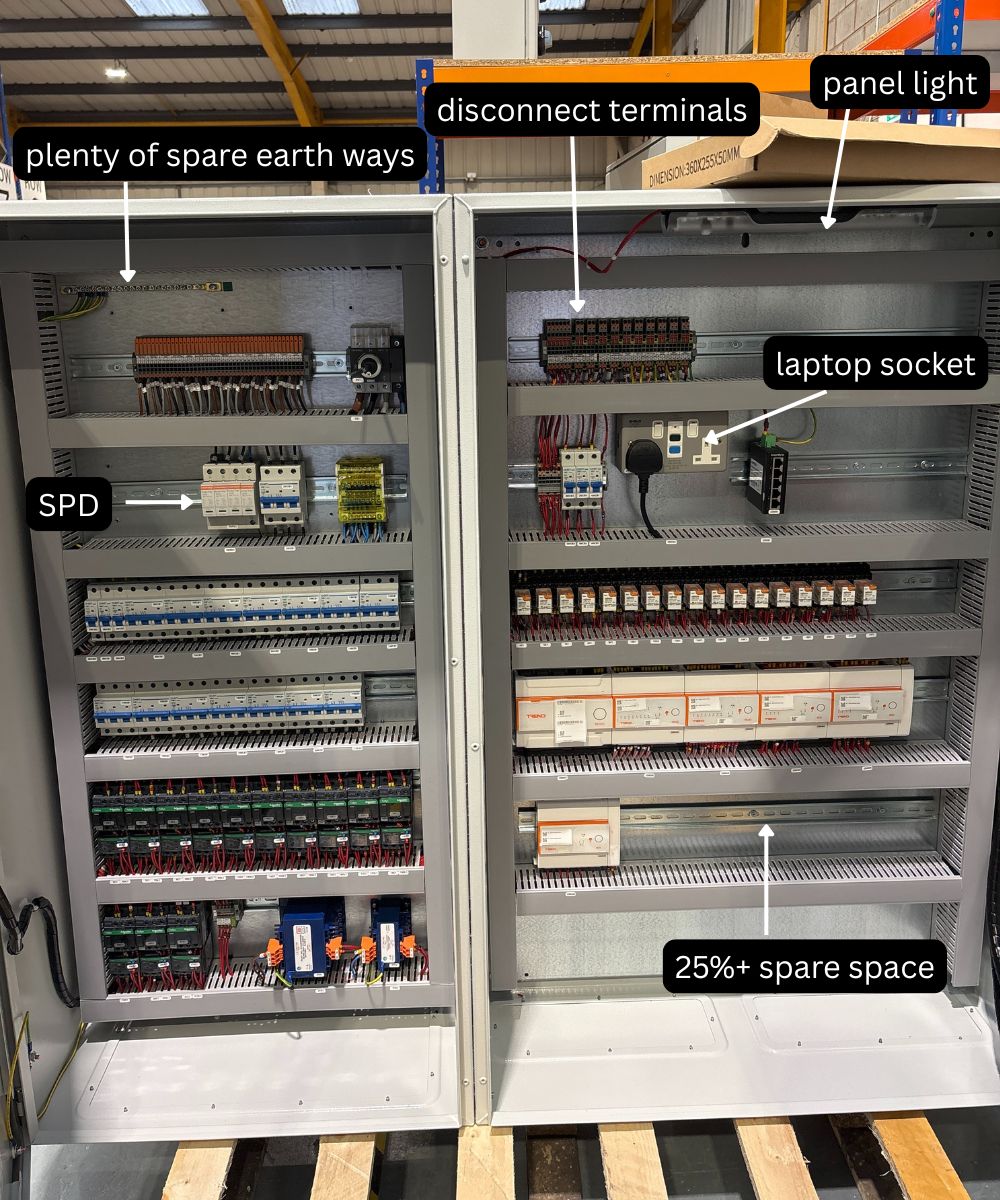
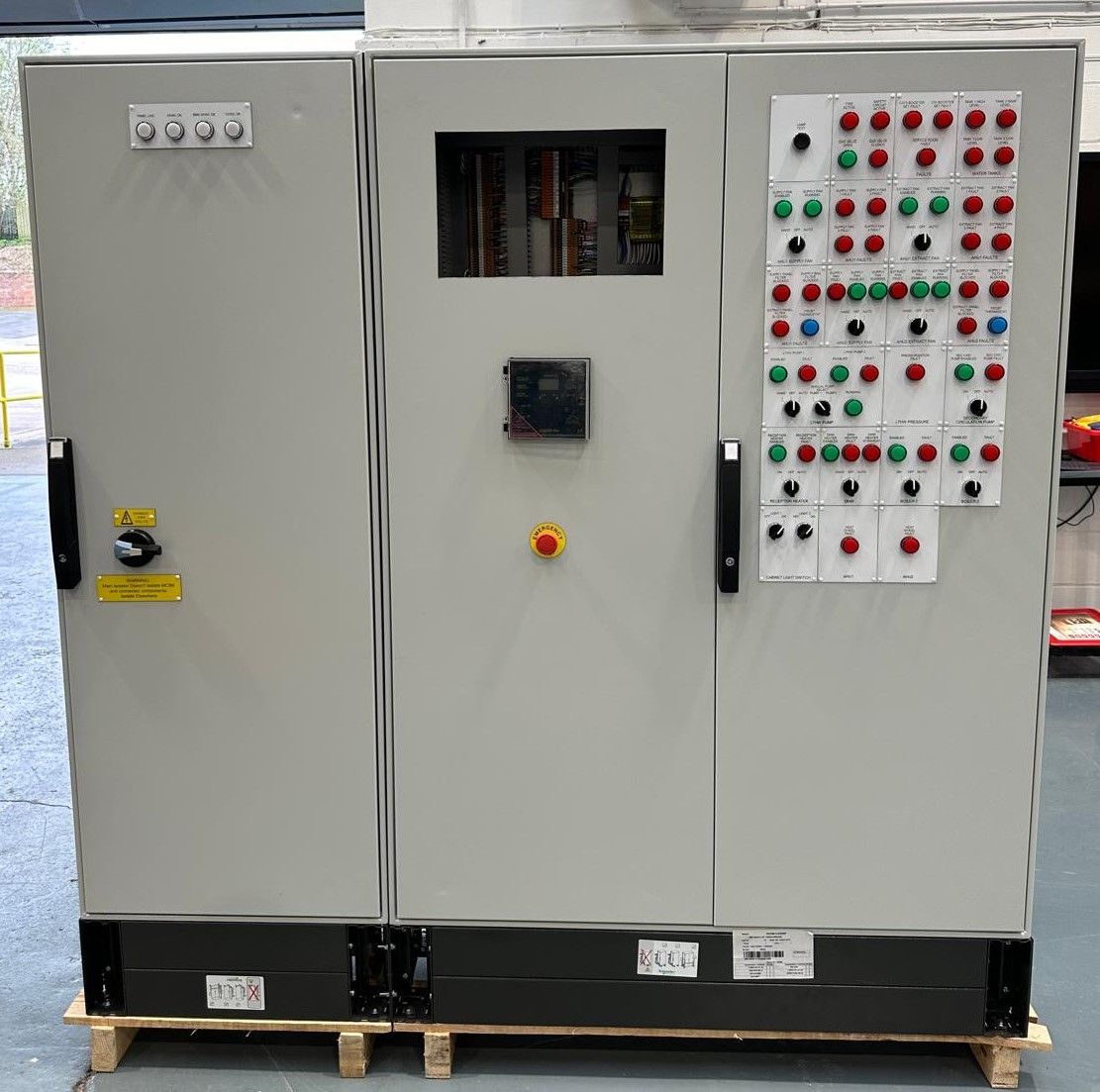
Mild Steel (IP66): Mild steel enclosures are the most common enclosures you'll see around. They're built for demanding industrial environments, offering excellent protection for pump panels in high-impact applications. While tough and durable, they rely on coatings to prevent rust, particularly in outdoor or moist conditions.
Polyester Glazed ( also IP66): Poly-glazed enclosures strike a balance between durability and practicality. Made from corrosion-resistant polyester, they’re robust enough for most outdoor and chemical-prone settings. The added glazed window with optional inner door provides visibility into the panel, allowing buttons, lamps and switches to be visible but protected from accidental damage.
2. Corrosion and Chemical Resistance
Mild Steel: Though treated with anti-corrosion coatings, mild steel is prone to rust in damp, outdoor, or chemical-heavy environments. This makes regular maintenance essential for longevity.
Polyester Glazed: Poly-glazed enclosures excel in corrosive conditions like coastal areas or wastewater facilities. The window ensures internal components remain protected without exposure to harmful elements during inspections. With minimal maintenance requirements, they’re ideal for reducing downtime in harsh environments.
3. Weather and UV Protection
Mild Steel: While mild steel enclosures are durable, they require UV-resistant coatings to prevent degradation in outdoor installations.
Polyester Glazed: Designed for outdoor use, polyester glazed enclosures are resistant to UV, weather extremes, and water ingress. Their IP66 rating also ensures complete protection from dust and moisture, making them a reliable choice for pump panels exposed to the elements.
4. Thermal Management
Mild Steel: The conductive properties of steel help dissipate heat generated by pump panel components, making it a good option for systems with higher thermal gain.
Polyester Glazed: Polyester’s insulating nature can lead to heat retention, so additional cooling measures might be needed for warm climates or panel components with high heat output.
5. Installation and Costs
Mild Steel: Heavier and more affordable upfront, mild steel enclosures are a cost-effective option for indoor pump panel installations where corrosion isn’t a major concern.
Polyester Glazed: Lightweight and easier to handle, polyester glazed enclosures simplify installation and require less upkeep over time. Though they have a higher initial cost, their durability in outdoor or corrosive environments can result in significant long-term savings.
So which should you choose?
Mild Steel:
- Best for indoor or protected environments where impact resistance and cost-efficiency are key.
- Suitable when routine maintenance for corrosion protection is feasible.
Polyester Glazed:
- Designed for outdoor, corrosive, or chemical-prone environments.
- Ideal for installations requiring frequent monitoring, with the added benefit of a viewing window for easier inspections.
Conclusion
For pump panels, the choice between mild steel and polyester glazed enclosures depends on your specific needs. Mild steel is ideal for controlled, low-maintenance settings, while polyester glazed enclosures excel in harsh, outdoor, or high-maintenance environments. Schneider Electric’s enclosures offer tailored solutions to ensure your pump panels remain protected and functional, no matter the conditions.
The information provided in this blog post is intended for general knowledge and guidance only. It does not constitute professional advice. Please consult a qualified professional for advice specific to your situation before making any decisions based on this information.
Written by the engineers at G&G Controls, a UK control panel manufacturer in Stoke-on-Trent. For general guidance only; consult a qualified professional for advice on your own installation.
Up next
Common control panel mistakes
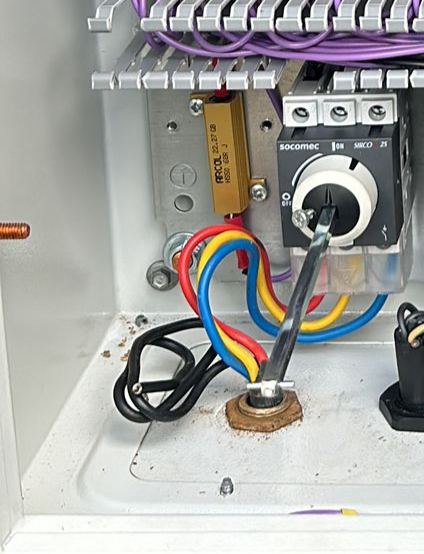
When working on control panels, it's important to check compliance to reduce the risk of the panel failing, including the risk of catching fire. Number one of the list for us is the neutral not terminated. We so often get sent photos of an old panel that needs replacing and in the bottom of the pa