Duty/standby, duty/assist and duty changeover explained
By Tristan Newton, Commercial Director · 8 May 2026 · 4 min read
A twin pump station has two pumps so that the station keeps working when one fails, and so the two can share the load when the inflow is high. How the panel decides which pump runs, and when the second one joins in, is the difference between a station that lasts and one that wears out one pump while the other seizes from standing still.
Here are the three terms you will see on a panel specification, what they mean, and which one to ask for.
Duty/standby
One pump does all the work. The other waits, and only runs if the duty pump fails: if it trips, or if the level keeps rising past the point where the duty pump should have been coping.
This is the right arrangement where a single pump can always handle the inflow, and the second is purely insurance: a small foul station, for instance.
The risk is the standby pump. A pump that never runs sits in the same liquid, with the same seals, and can seize, silt up or corrode without anyone knowing until the day it is needed. Which is why almost nobody runs a true duty/standby station without the next feature.
Duty changeover (alternation)
Each time the pumps cycle, the panel swaps which one is duty. Pump 1 runs this time, pump 2 the next, so both wear evenly, both get exercised, and a fault on either shows up quickly rather than on the worst possible day.
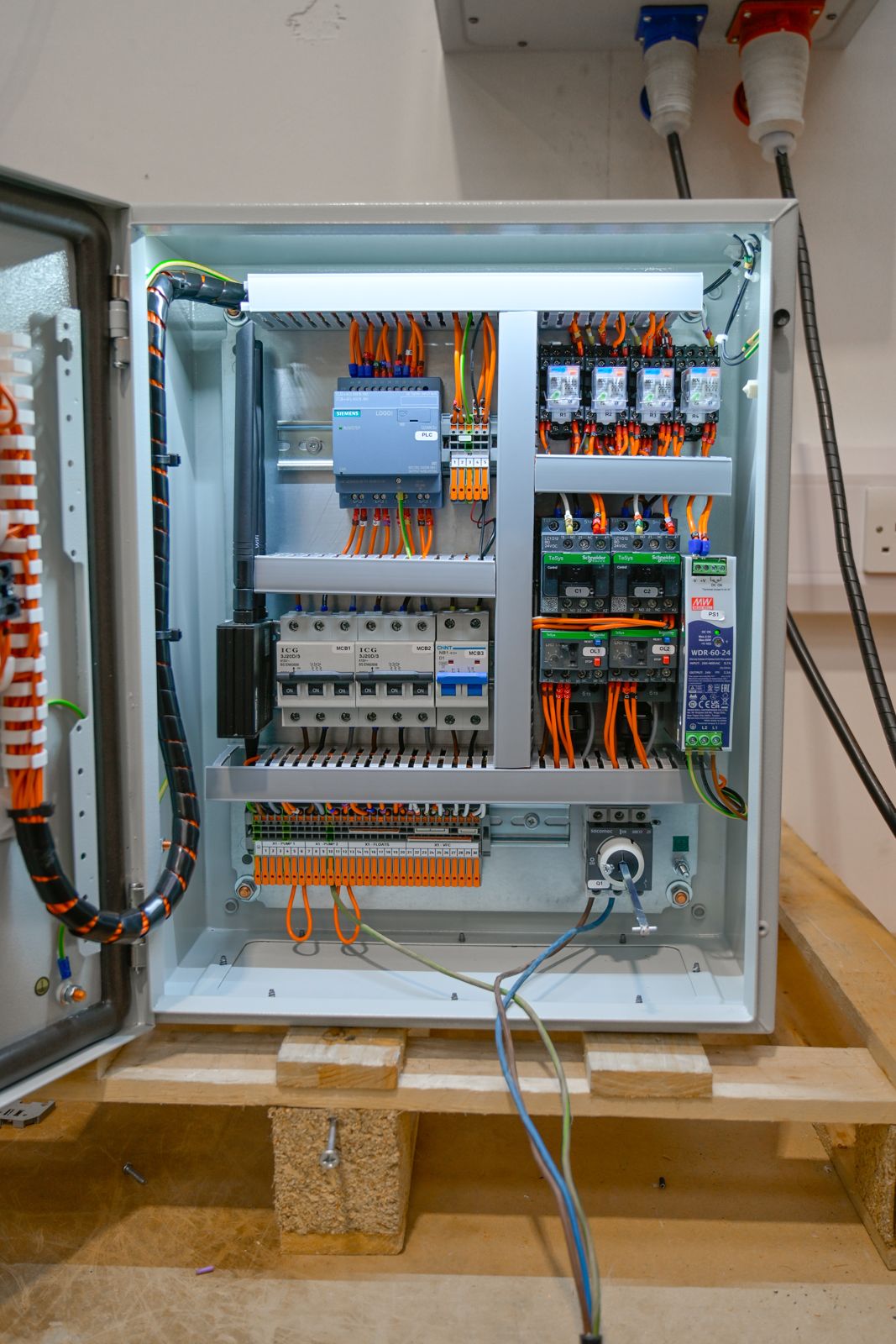
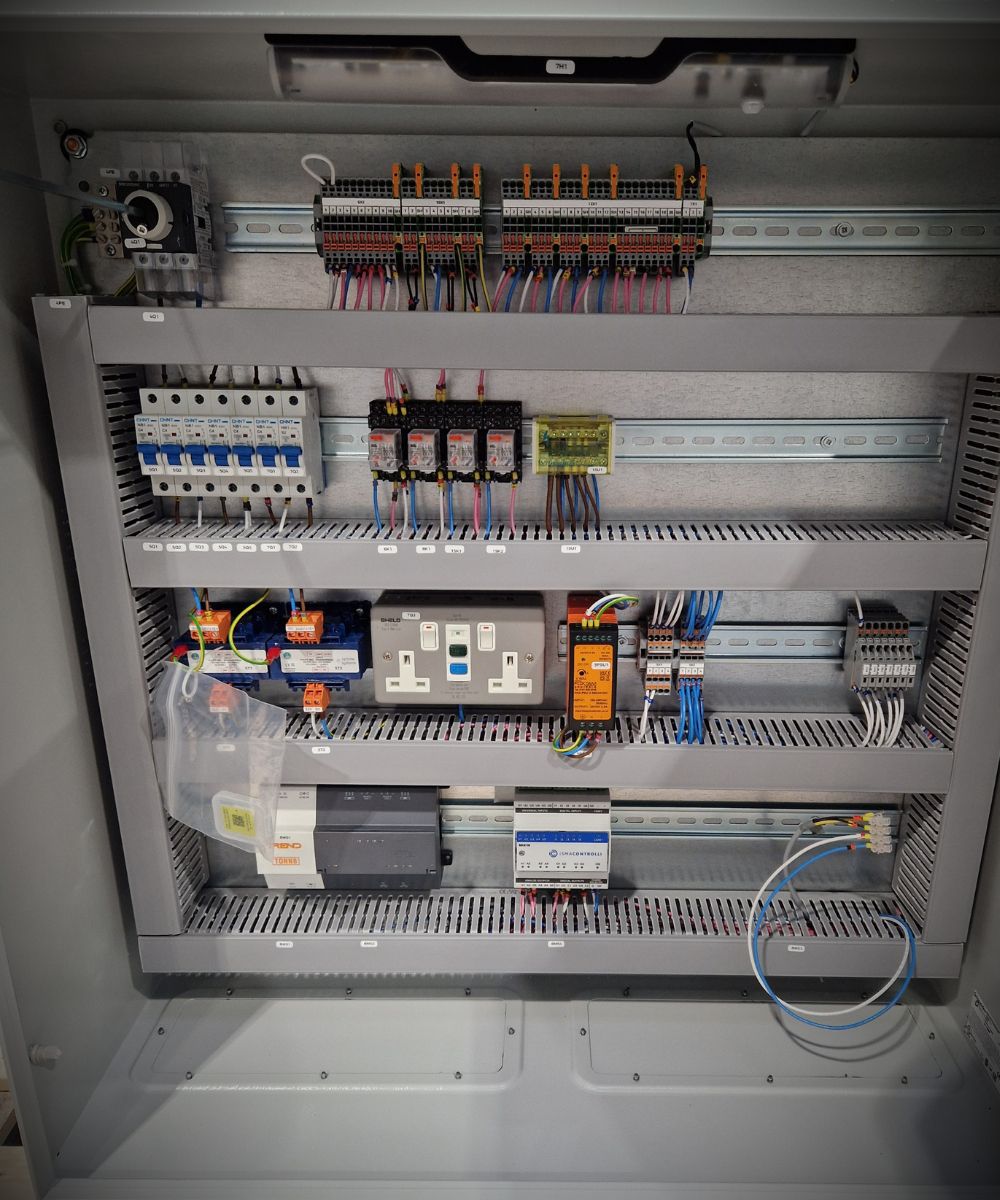
On older panels this was done with a stepping relay, and stepping relays are the single most common failure on old pump panels. Why stepping relays fail explains the mechanism. Our Basix panels use a universal stepping relay, which takes its permanent supply and its trigger on separate terminals so the coil cannot cook, and we back it with a lifetime warranty: if it fails, we replace it.
Duty changeover is standard on every G&G twin pump panel. You do not have to ask for it.
Duty/assist
One pump starts on the start float, as usual. If the level keeps rising, a fourth float, the assist float, brings in the second pump as well, and both run together until the stop level. Combined with duty changeover, this is what most twin pump wastewater stations actually run.
Two pumps together move more than one, but not twice as much, because they share the same rising main and the friction losses go up with flow. The assist pump is there for storm inflow and for the day the duty pump is struggling, not for normal operation.
Which should you ask for?
For a standard twin pump foul or surface water station: duty/assist with duty changeover, on four floats: stop, start, assist and high level. It is what our stock panels are built for, and what where to hang the floats assumes.
Ask for duty/standby only where the second pump must never run alongside the first: a rising main that cannot take the combined flow, or a supply that cannot start two motors.
Three pump stations follow the same logic with duty, assist 1 and assist 2, and the alternation rotates through all three.
What the panel shows you
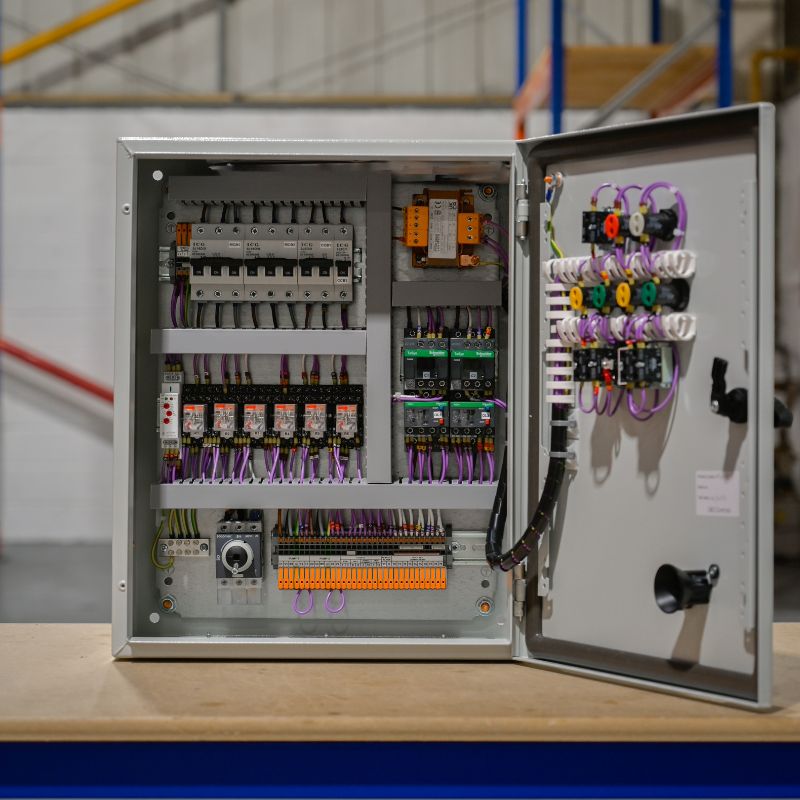
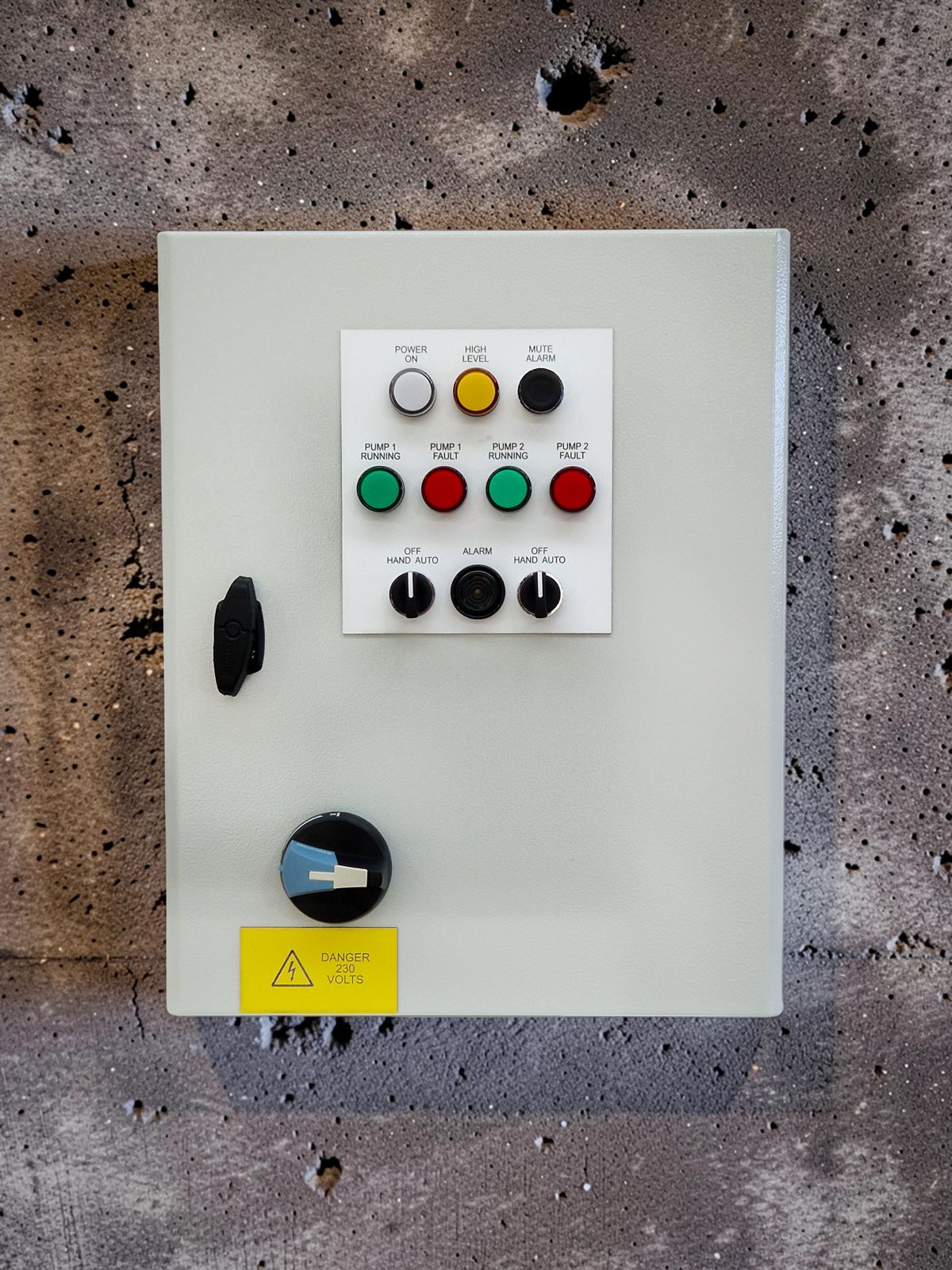
On a Basix panel, each pump has a hand/off/auto switch and lamps for run and trip; the high level has its own lamp and a sounder with a mute. Leave both pumps in auto for changeover to work. A pump left in hand runs continuously and never hands over; a pump left in off leaves the station with no standby at all. If you find a station with one pump in hand, someone has been troubleshooting and forgotten to put it back.
With a Telemetrix panel you also get a text or email when either pump trips, so a station that has quietly dropped to one pump does not stay that way until the alarm goes off.
Frequently asked questions
Is duty changeover the same as duty/assist?
No. Changeover is which pump is duty, and it alternates each cycle. Duty/assist is whether the second pump can run at the same time as the first. Most twin pump panels do both.
Can I have duty/assist without a fourth float?
You need a separate assist level. That can be a fourth float, or on a panel with a level sensor such as Basix View the assist level is a set point entered on the screen, with no extra float.
What happens if the duty pump trips?
The panel switches to the other pump immediately and shows the trip on the lamp for the pump that failed. On a Telemetrix panel it also sends an alert. The station carries on running on one pump until someone resets the trip.
Should both pumps be the same size?
Yes, for a duty/assist station with changeover; each pump has to be able to do the duty job on its own. Different sizes are occasionally used for a jockey/main arrangement, which is a different control scheme and needs to be specified.
Written by the engineers at G&G Controls, a UK control panel manufacturer in Stoke-on-Trent. For general guidance only; consult a qualified professional for advice on your own installation.
Up next
How to specify a pump control panel: the six things we need to quote it
Pumps, supply, starting method, level control, enclosure and options. Give a panel builder these six things and you get an accurate price the same day.