The high level alarm has gone off: what to do
By Tristan Newton, Commercial Director · 5 June 2026 · 4 min read
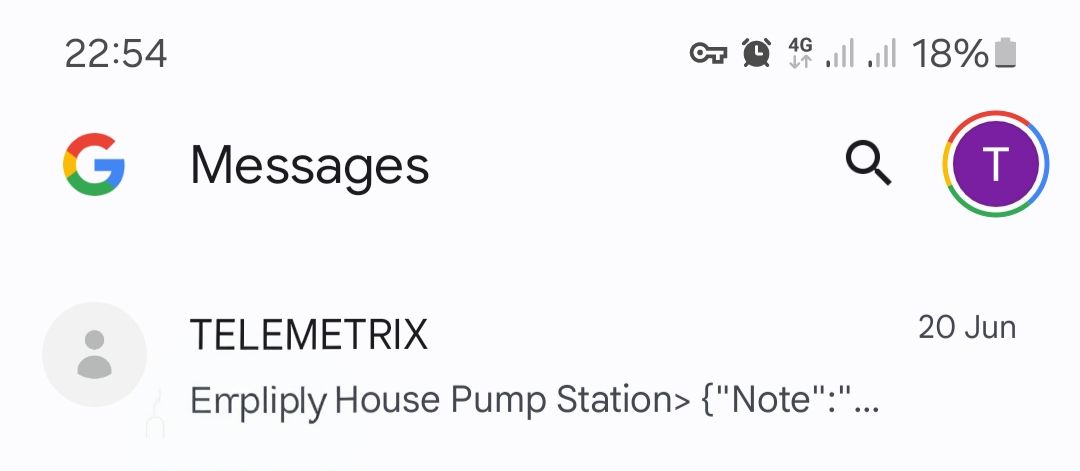
This is written for the person who looks after the building, not the engineer. If you have a pump station in the grounds and a beacon or sounder has just gone off, or you have had a text from the panel, here is what it means and what to do in the first few minutes.
What the alarm means
Your pumping station collects wastewater in an underground chamber and pumps it away. A high level alarm means the water has risen past the point where the pumps should have dealt with it. Either the pumps have stopped, or more is coming in than they can move.
It does not mean the station has flooded yet. It means it will, if nothing changes. There is usually some time, from minutes to a few hours depending on the size of the chamber and how much is going in.
What to do in the first five minutes
- Reduce what is going in. If you can, stop non-essential water use in the building: washing machines, dishwashers, showers. Every litre you do not send down the drain buys time.
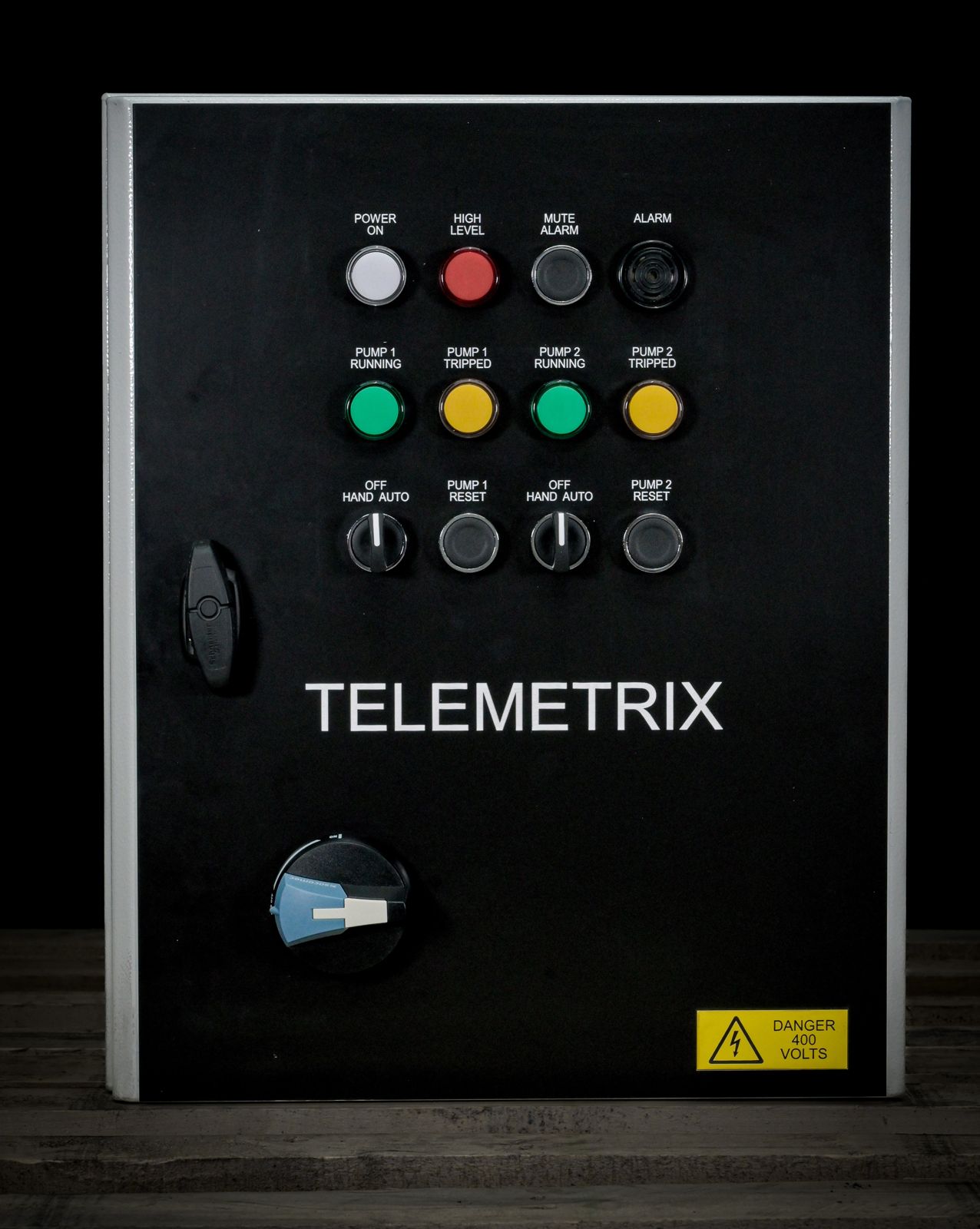
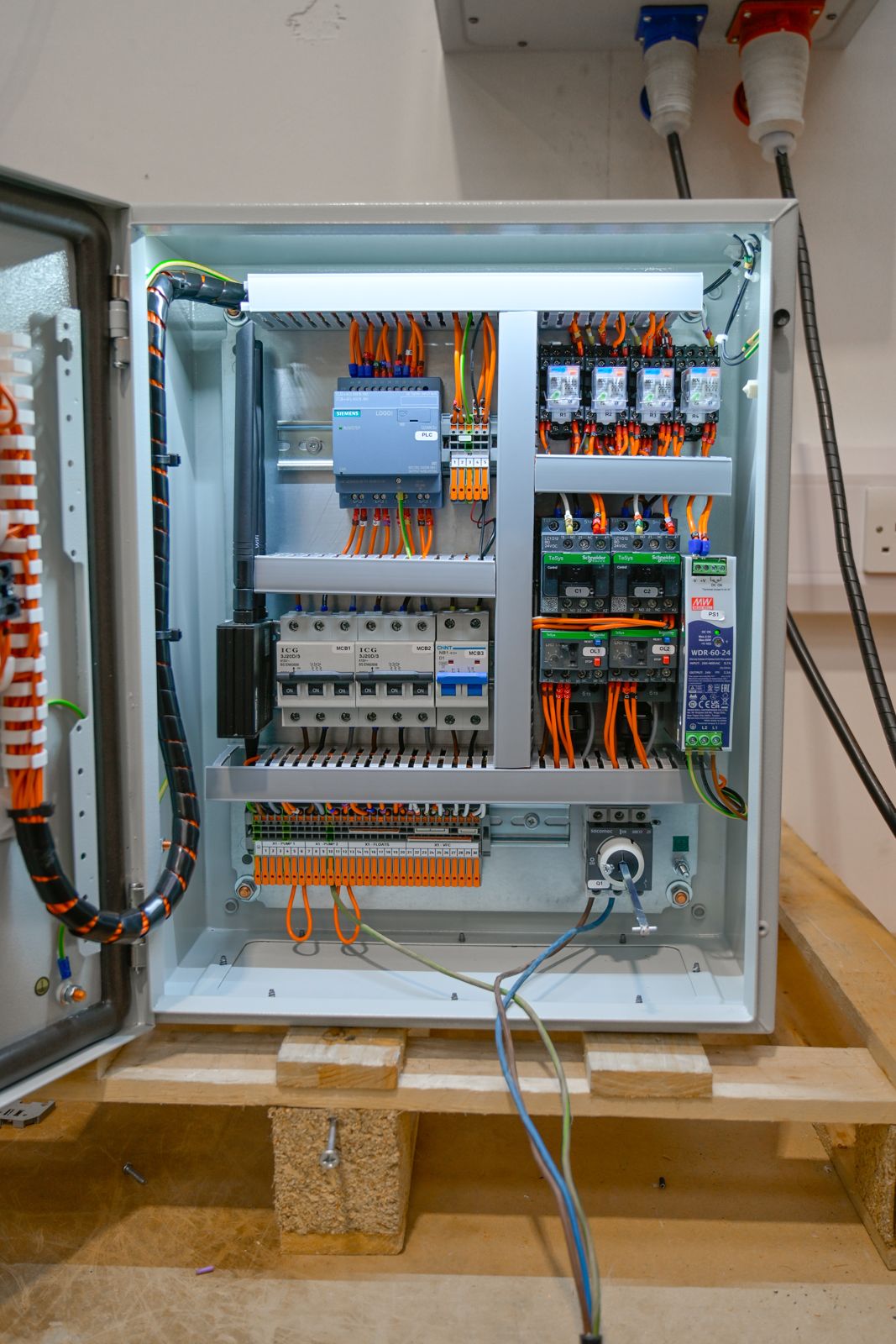
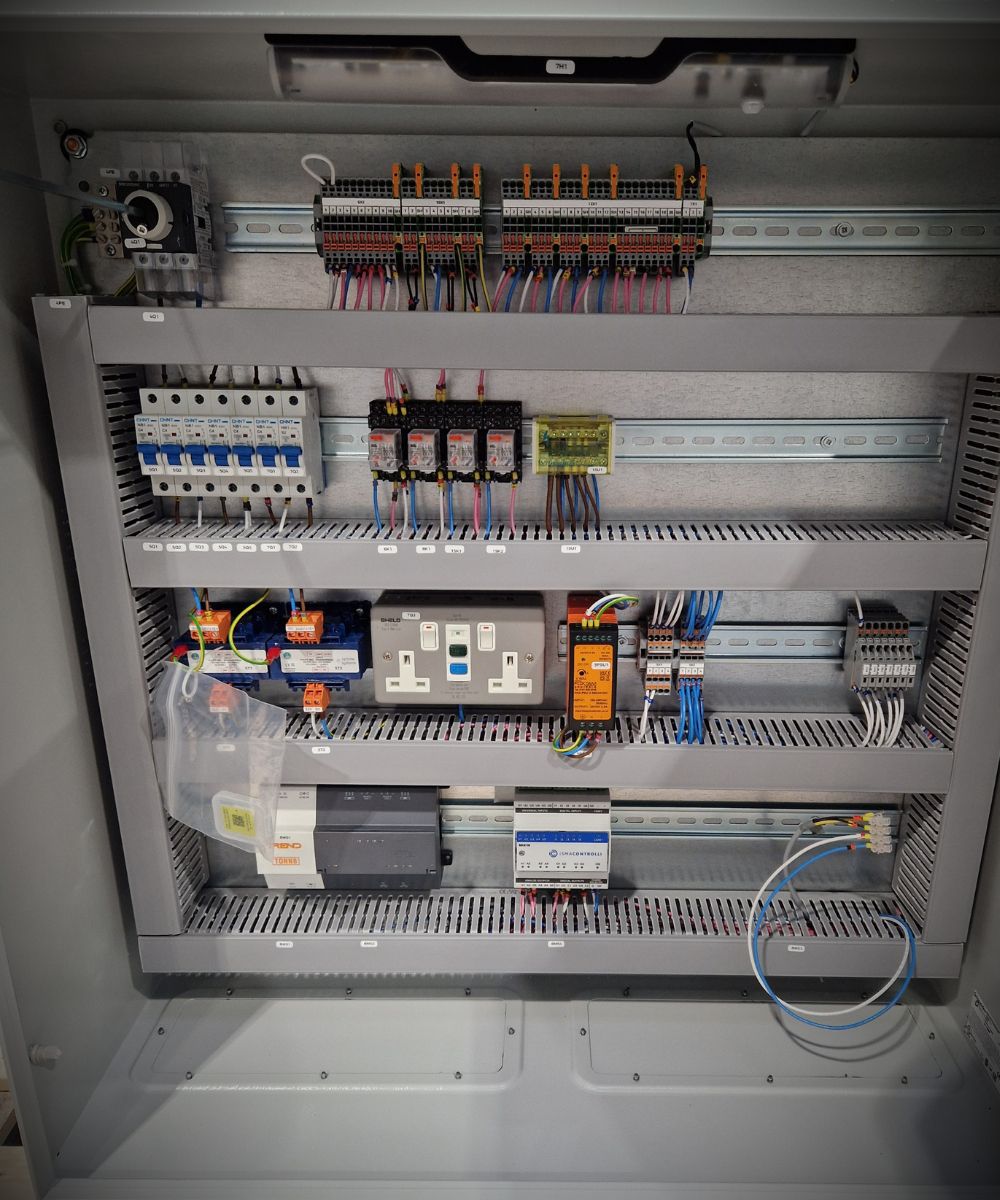
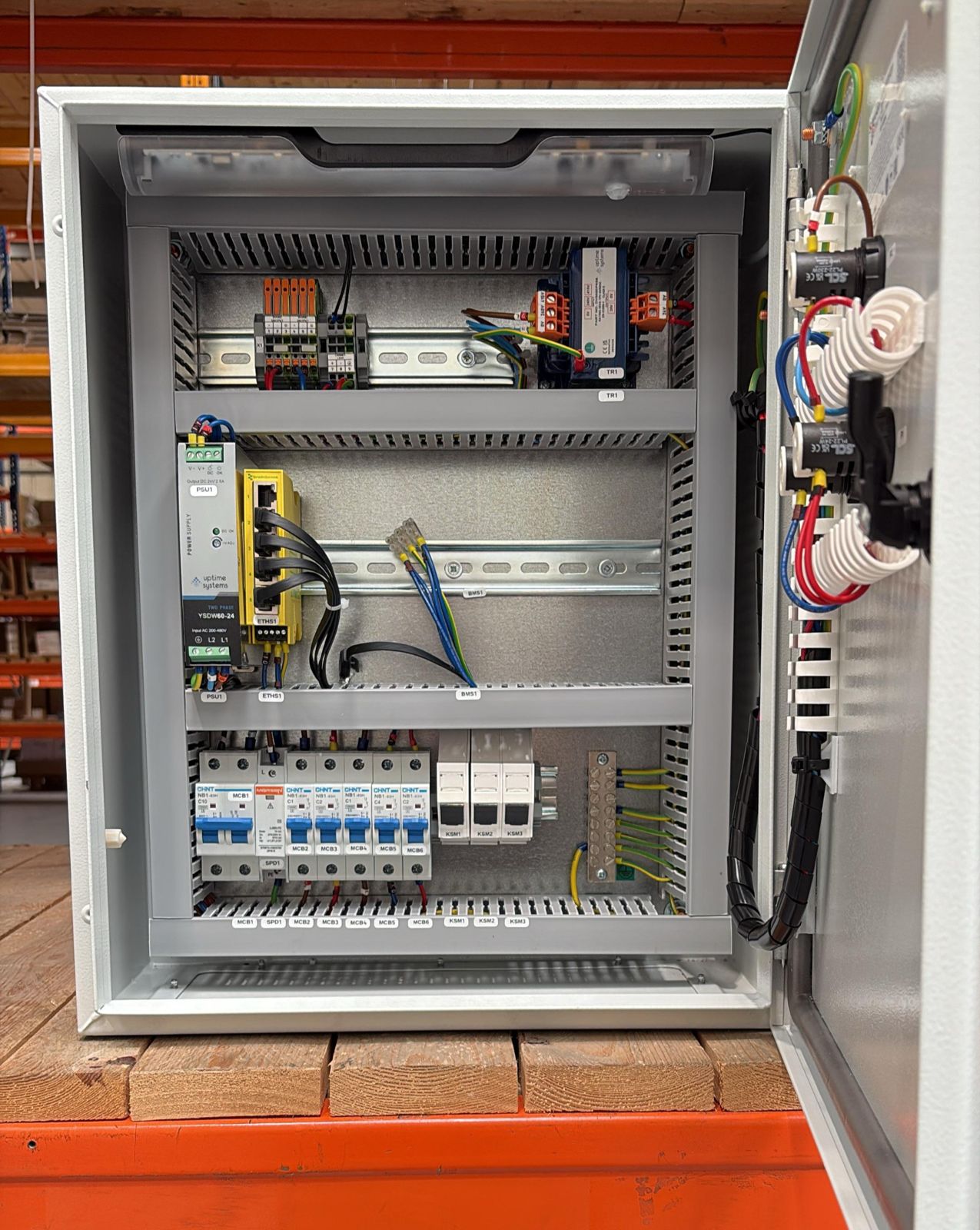
- Look at the panel, but do not open it. The panel is the grey or green box near the chamber. On the front there is a lamp for each pump: usually power, run and trip. If a trip lamp is lit, a pump has stopped itself. If neither pump shows run and there is no power lamp, the supply has gone.
- Check the power. Is there electricity in the building? Has a breaker in the distribution board tripped? A pump station on a tripped circuit is the most common cause of a high level alarm, and the easiest to fix.
- Silence the sounder if there is a mute button, so you can think. Muting the sounder does not fix anything; the beacon stays on until the level drops.
- Do not lift the chamber lid. There is nothing you can do down there, and it is dangerous: deep water and gas. Leave it to the engineer.
When to call someone
Call your pump maintenance contractor, or whoever installed the station, if:
- a trip lamp is lit and you do not know how to reset it (there is usually a reset button on the front of the panel; press it once. If it trips again, stop and call);
- the power is on, no lamp shows a fault, and the level still is not dropping;
- you cannot find the cause within a few minutes.
Tell them what the panel is showing. "Pump 2 trip lamp on, pump 1 run lamp on" tells an engineer most of what they need before they arrive. If the panel has a serial number or a P number on the label inside or on the door, give them that too.
If sewage is coming up through a manhole or a gully, that is a pollution incident: contact your water company and, if it is reaching a watercourse, the Environment Agency.
Why it happened
The usual causes, in order:
- A tripped supply in the building or a power cut.
- A blocked pump, usually wipes and rags. The pump trips on overload. Why single-phase pumps block more often than three-phase.
- Fouled floats: the float switches that tell the panel the level have tangled or caught on something, so the panel thinks the chamber is empty. Where to hang the floats.
- A storm, sending more into the chamber than two pumps can move. The alarm clears itself when the rain stops.
- A pump that has worn out and no longer moves what it did.
How to stop it happening again
- Have the station serviced at least yearly: pumps lifted and inspected, floats checked, the panel tested. Most alarms are preventable.
- Know where the panel is and what it is showing. A photo of the panel front on your phone, taken today, is worth having.
- Get the alarm sent to someone. A beacon on a post is only useful if somebody looks at it. A panel with remote monitoring, such as Telemetrix, sends a text and an email the moment a pump trips, the level goes high or the power goes off, to as many people as you like. Email alerts are free; texts cost 10p each. It is the difference between finding out at 2am and finding out on Monday.
- Ask about a generator inlet if power cuts are a regular thing where you are.
Frequently asked questions
Is a high level alarm an emergency?
It is urgent, not necessarily an emergency. Act within minutes: reduce water use, check the power, check the panel lamps, and call your contractor if it is not obvious. Sewage surfacing is the emergency; the alarm is the warning before it.
Can I reset the alarm myself?
You can mute the sounder and press the reset button once if a trip lamp is lit. If the pump trips again straight away, there is a fault that needs an engineer. Do not keep resetting it.
The alarm went off in heavy rain and then stopped. Do I need to do anything?
Note the date and tell your contractor at the next service. A station that alarms in every storm may have surface water getting into the foul chamber, or pumps that are undersized for it.
How do I know if the pumps are actually running?
The run lamp for each pump on the panel front. If you put your hand on the rising main pipe where it leaves the chamber, you can often feel flow. Do not open the panel or the chamber.
Written by the engineers at G&G Controls, a UK control panel manufacturer in Stoke-on-Trent. For general guidance only; consult a qualified professional for advice on your own installation.
Up next
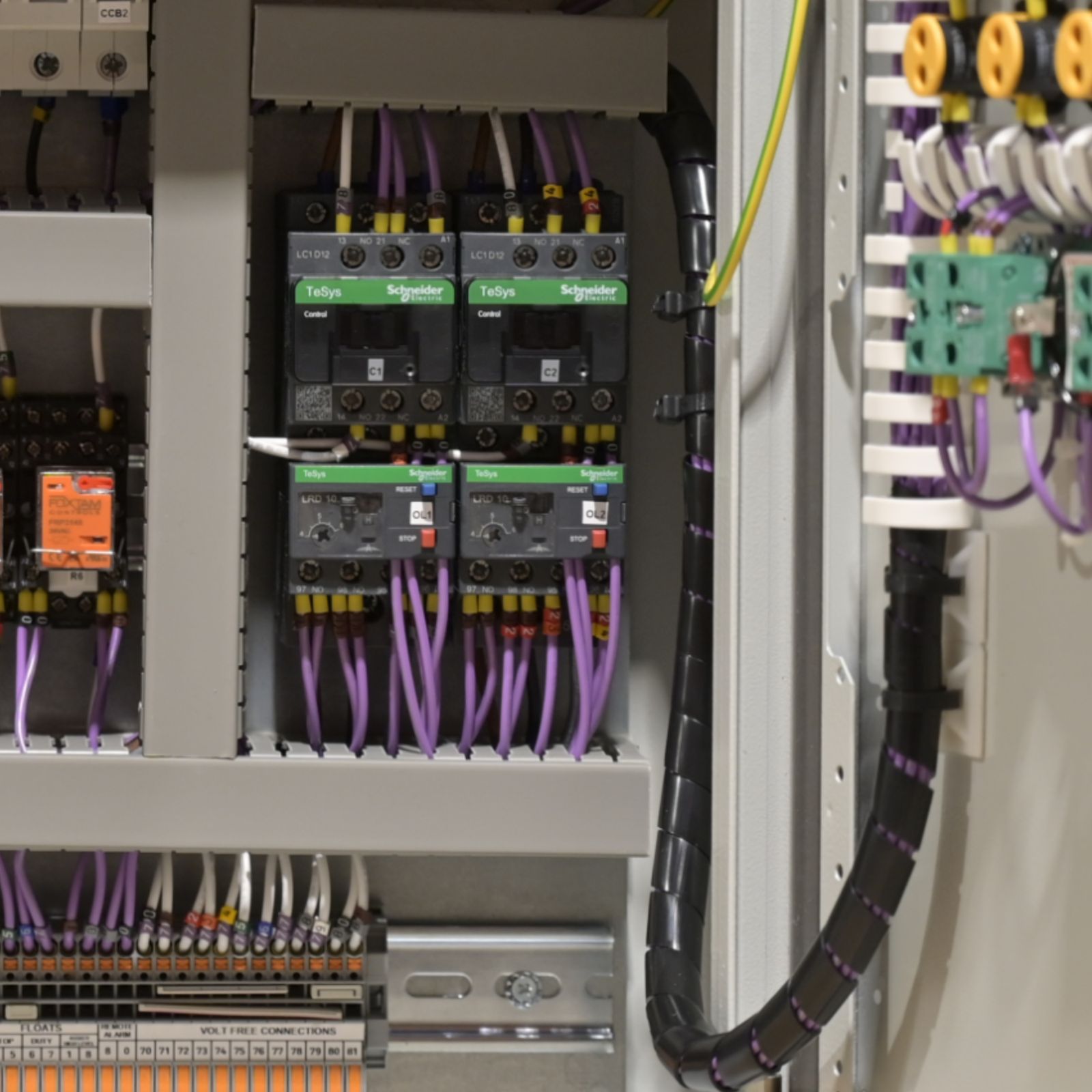
Wiring a Basix pump control panel on site: supply, pumps and floats
What connects where on a standard wastewater pump panel, in what order, and the checks to do before you switch it on. An installer's guide to the Basix panel.